
400+ 5 Star Reviews 
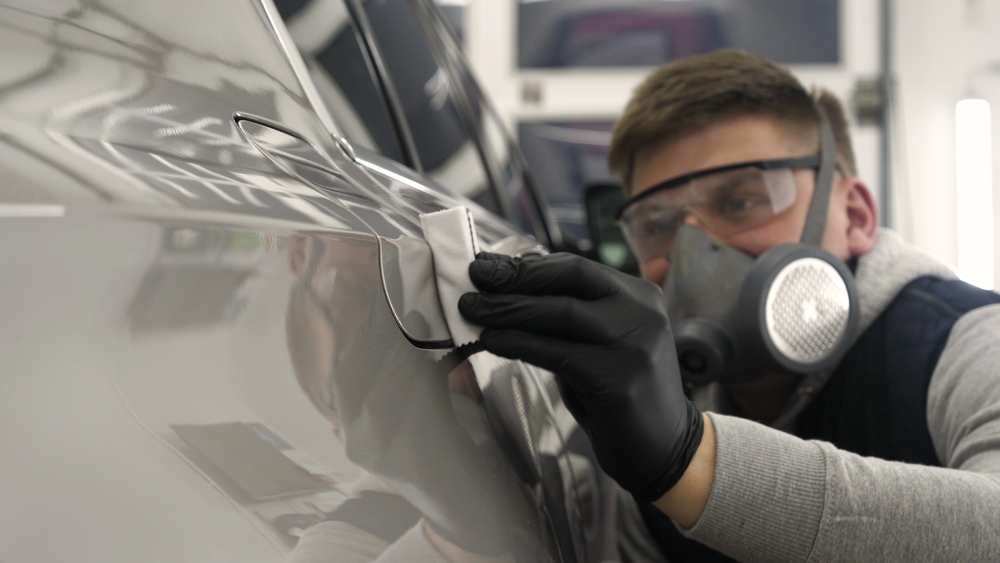

You just bought a new car. The paint is flawless, the finish is deep, and it looks exactly the way it did in the showroom. The last thing on your mind is that this finish has already started its slow battle against UV rays, road grime, bird droppings, and the relentless Central Valley heat.
Here is the reality: a new car is actually the best candidate for ceramic coating. The paint is clean, the surface is as close to perfect as it will ever be, and applying new car ceramic paint protection now means you are sealing in that finish before the environment gets to it. The longer you wait, the more prep work is required and the harder it becomes to achieve the same result.
This guide covers everything you need to know about ceramic coating for new cars, including how it works, when to do it, what it costs, and why not all ceramic coating options are created equal.
Why New Cars Still Need Ceramic Coating
A common misconception is that new cars already come protected. In reality, factory protection is minimal and temporary. Most vehicles leave the factory with a thin wax layer designed only to protect the paint during transport and while sitting on the lot.
This factory wax is not durable and begins breaking down within weeks of exposure to sunlight, rain, and everyday driving. Once it fades, the paint is left exposed to UV rays, contaminants, and environmental damage that slowly degrade the finish.
Professional new car ceramic paint protection removes the temporary factory sealant, corrects minor surface imperfections, and bonds a durable protective layer to the paint. This long-lasting barrier preserves the finish and protects it far longer than factory-applied protection.
How Soon Should You Coat a New Car?
The short answer is as soon as possible after purchase.
Your new car’s paint is at its most accessible state the moment you drive it off the lot. It has not yet accumulated road contaminants, tree sap, bird droppings, or the micro-scratching that comes from repeated washing without protection. Coating the vehicle at this stage requires significantly less prep work, which lowers both the time investment and the cost.
Some installers recommend waiting one to three weeks after purchase to allow factory paint to fully cure, particularly for vehicles that rolled off the assembly line very recently. However, most vehicles on dealership lots have already been sitting long enough that this is not a concern. When you schedule with a professional installer, they will assess the paint’s condition and advise accordingly.
What you want to avoid is waiting weeks or months while normal use accumulates contaminants and introduces the kind of surface damage that requires additional paint correction. Every day without protection is a day the paint is exposed.
Does a New Car Need Paint Correction First?
Yes, in most cases, a new car still needs at least a light paint correction before ceramic coating is applied.
This is one of the most important details that dealerships and low-cost coating services rarely mention. Ceramic coating is semi-permanent. Once it cures and bonds to the clear coat, it cannot be removed without abrasion. That means whatever is on the surface of your paint at the time of application gets locked in.
On a new car, paint correction is typically a single-stage polish to remove any factory swirl marks, surface irregularities, or dealership-applied filler. It does not take as long as a multi-stage correction on an older vehicle, but it is a necessary step if you want the coating to perform at its best and look its best over the years it is on your car.
A reputable installer will always inspect the paint, discuss the level of correction needed, and include it in the scope of work. If a shop is willing to apply ceramic coating to a new car without any surface preparation, that is a red flag.
Dealership Ceramic Coating vs. Professional Installation: The Difference Matters
If you recently bought a new car, the dealership likely offered a ceramic coating package for $300 to $800 as an easy add-on. What many buyers do not realize is that dealership coatings are usually not the same as professional ceramic coatings installed by independent detailing shops.
Dealerships typically apply consumer-grade spray sealants or low-grade ceramic products with minimal surface preparation. These coatings usually last only a few months to a year and rarely include paint correction, meaning any existing imperfections are sealed into the finish.
Professional installers use commercial-grade coatings, perform proper decontamination and paint correction, and apply the product in a controlled environment for proper curing. The result is stronger protection, better gloss, and durability that can last three to seven years.
New Car Ceramic Coating Cost: What to Expect
New car ceramic coating depends on three main factors: the product grade, vehicle size, and the condition of the paint before installation.
Entry-level professional coatings usually cost $500 to $900 and provide one to two years of protection. Mid-range coatings range from $900 to $1,500 and typically last three to five years, offering stronger hydrophobic performance and deeper gloss. Premium multi-layer coatings start around $1,500 and can exceed $2,500, delivering five to seven years of protection along with enhanced durability and finish.
Vehicle size also affects pricing since larger vehicles require more product and labor. Additional paint correction can increase the cost if the surface needs significant work, though most new cars only require a light single-stage polish before coating.
How Long Does Ceramic Coating Last on a New Car?
One of the biggest advantages of coating a new car is that the paint is in its best possible condition, which means the coating has the strongest foundation to bond to and perform over its full lifespan.
Entry-level professional coatings typically last one to two years with proper maintenance. Mid-range coatings deliver three to five years. Premium coatings, properly applied and maintained, can protect a vehicle’s paint for five to seven years or longer.
The factors that most influence longevity after installation are maintenance habits and environmental exposure. Vehicles that are hand washed regularly with a pH-neutral shampoo, kept out of automatic brush car washes, and treated with a ceramic boost spray every few months will see the longest protection windows. In the Central Valley’s high-UV environment, an annual inspection and maintenance service can help extend the coating’s effective life significantly.
Why Central Valley Drivers Should Coat Early
Clovis and the Fresno metro area expose vehicles to conditions that make ceramic coating a practical investment for drivers planning to keep their cars long-term. The Central Valley’s climate is tough on unprotected paint.
Summer temperatures in the San Joaquin Valley often exceed 100°F, causing traditional waxes and spray sealants to break down quickly. Ceramic coating forms a heat-resistant, chemically bonded layer that holds up far better under extreme temperatures and constant sun exposure.
High UV levels and agricultural dust also accelerate paint damage. UV rays lead to oxidation and fading, while airborne particles settle into the clear coat and cause micro-scratching. Ceramic coating helps block UV exposure and creates a hydrophobic surface that repels contaminants, helping protect your vehicle’s finish from day one.
How to Care for a Ceramic-Coated New Car
Ceramic coating makes maintenance easier, but proper care is still essential to keep the coating performing at its best. Follow these simple steps to maintain your vehicle’s protection and shine:
1. Wash with the Right Products
Use a pH-neutral car shampoo and a clean microfiber wash mitt after the coating has fully cured. This helps preserve the coating and prevents unnecessary wear.
2. Avoid Automatic Brush Car Washes
Automatic washes with brushes can create swirl marks and degrade the coating over time. Stick to safe handwashing methods whenever possible.
3. Wash Regularly
Hand wash your car every two to three weeks to prevent contaminants like dirt, bird droppings, and tree sap from damaging the paint or coating.
4. Use a Ceramic Boost Spray
Apply a ceramic spray detailer or booster occasionally after washing. This helps maintain the coating’s hydrophobic properties and extends its lifespan.
5. Schedule Annual Maintenance
Have your installer perform a yearly inspection and maintenance wash. This allows professionals to check the coating’s condition and address any areas that may need touch-ups.
Protect Your New Car Before the Road Does
The best time to apply ceramic coating for new cars is before the daily environment has had a chance to wear the paint down. Every drive, every wash, and every hour in the sun without protection is an opportunity for the elements to get ahead of you.
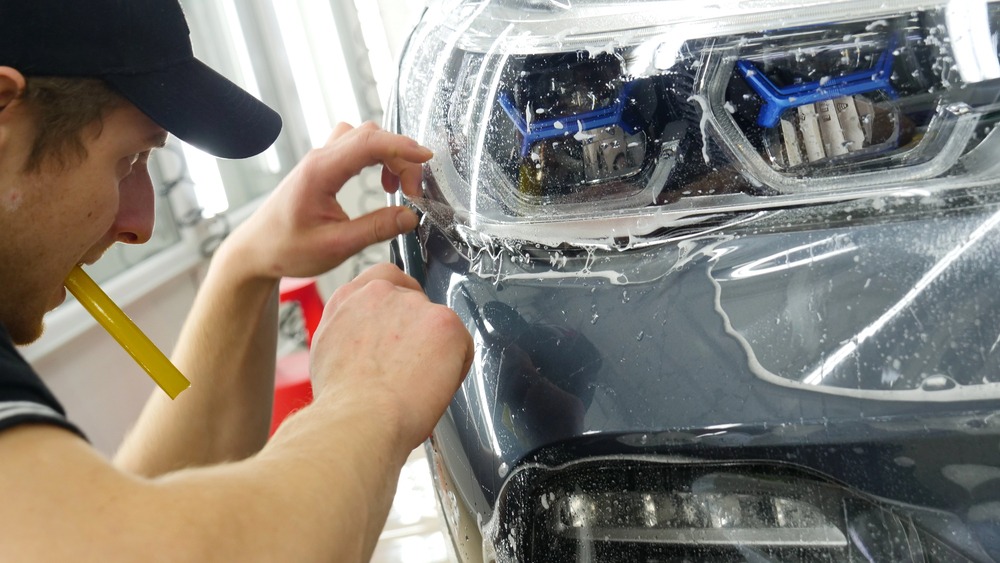
At Shades & Shine in Clovis, CA, we provide professional ceramic coating installation for new and pre-owned vehicles throughout the Central Valley. From single-layer entry packages to multi-layer premium applications, we will walk you through your options, prep your paint correctly, and apply a coating built to last in the conditions Clovis drivers actually face.
Contact us or stop by at 1977 Las Rosas Ave, Clovis, CA 93619 to schedule your new car ceramic coating consultation today.
Frequently Asked Questions
Should I ceramic coat a brand-new car?
Yes. A new car is the ideal candidate because the paint is clean and requires minimal correction before the coating is applied.
How soon after buying a new car should I get ceramic coating?
Ideally within the first few weeks of ownership. Applying it early protects the paint before contaminants and environmental damage begin to build up.
How much does ceramic coating cost for a new car?
New car ceramic coating typically costs $500 to $2,500, depending on the coating type and vehicle size. Entry-level coatings cost less, while premium multi-layer coatings provide longer protection and higher durability.
Is dealership ceramic coating worth it?
Usually not. Dealership coatings often use consumer-grade products with minimal prep and do not last as long as professional ceramic coatings.
Does a new car need paint correction before ceramic coating?
Yes, in most cases. Even new vehicles can have minor swirl marks or imperfections that should be corrected before the coating locks them in.
How long does ceramic coating last on a new car?
Professional ceramic coatings can last one to seven years depending on the product grade. Proper maintenance helps extend the coating’s lifespan and performance.
Does ceramic coating void my car’s warranty?
No, a professionally applied ceramic coating generally does not void a manufacturer’s warranty. It only protects the exterior surface and does not affect mechanical components.
Can I apply ceramic coating to my new car myself?
DIY ceramic coating kits are available, but they typically do not last as long as professional coatings. Professional installation also ensures proper surface preparation and longer-lasting protection.