
400+ 5 Star Reviews 
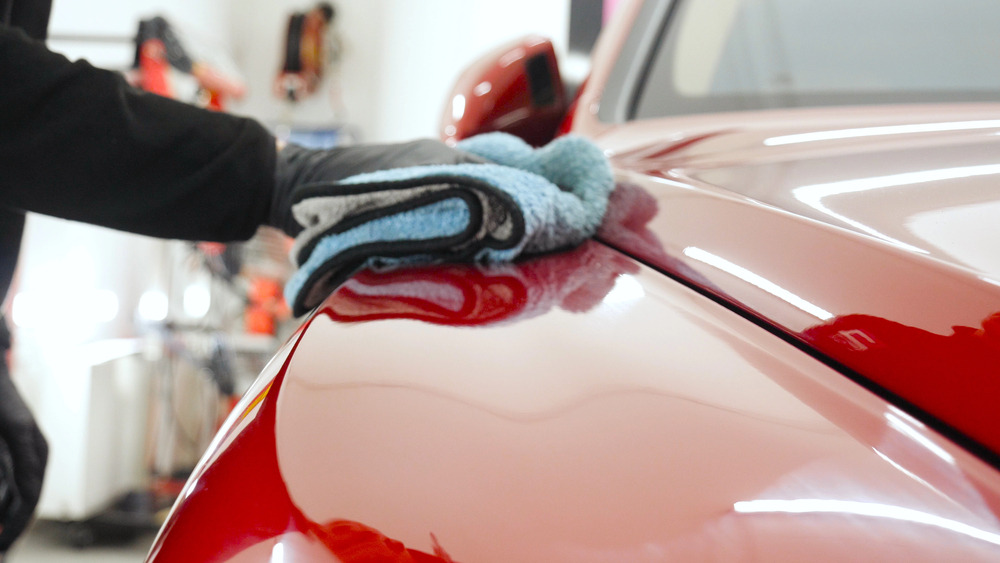

If you’ve already invested in paint protection film (PPF) for your vehicle, it’s natural to wonder whether adding a ceramic coating on top is worth it or even safe to do. The short answer is yes: applying ceramic coating over PPF is not only possible, it’s one of the best ways to maximize protection, enhance gloss, and simplify long-term maintenance.
That said, applying these products in the wrong order or at the wrong time can lead to poor adhesion, bubbling, voided warranties, and costly rework.
In this guide, we’ll break down the correct application sequence, explain why timing matters, highlight the key benefits of ceramic coating over PPF, and cover the most common mistakes to avoid so you can protect your investment the right way from the start.
Understanding PPF and Ceramic Coating
Before deciding whether ceramic coating should be applied over paint protection film, it helps to understand what each product does and how they work together to protect your vehicle.
What Is Paint Protection Film (PPF)?
Paint Protection Film (PPF) is a clear, durable urethane film that protects your vehicle’s paint from physical damage such as rock chips, road debris, scratches, and minor abrasions. Most modern PPF features self-healing properties.
PPF is typically installed on high-impact areas like the front bumper, hood, fenders, mirrors, and rocker panels and can last 5–10 years with properties that allow light scratches to fade with heat from the sun or warm water and proper care.
What Is Ceramic Coating?
Ceramic coating is a liquid polymer that bonds to a vehicle’s surface, including paint, clear coat, or PPF creating a hydrophobic layer that repels water, dirt, and contaminants while providing UV protection and added gloss.
While ceramic coating helps prevent staining and environmental damage, it does not offer impact protection. Most coatings last 2–5 years depending on the product and maintenance.
Key Differences Between PPF and Ceramic Coating
The main difference lies in the type of protection each provides. PPF offers physical protection against chips and scratches, while ceramic coating delivers chemical protection that enhances appearance and simplifies cleaning.
Used together, they complement each other. PPF shields the paint, and ceramic coating preserves and enhances the film, making the combination one of the most effective ways to protect your vehicle’s finish long-term.
The Correct Order: Ceramic Coating Goes Over PPF
Applying PPF and ceramic coating in the proper order is essential for proper bonding, durability, and long-term performance.
Why PPF Should Be Installed First
PPF must be applied directly to bare paint or clear coat so the adhesive can bond correctly. Installing ceramic coating first creates a slick surface that prevents proper adhesion and can cause the film to fail.
What Happens When Ceramic Coating Is Applied Over PPF
When applied over cured PPF, ceramic coating bonds to the film and enhances protection. It adds chemical resistance, helps prevent staining and UV damage, improves gloss, and makes maintenance easier.
Can You Put PPF Over Ceramic Coating? (Why It Fails)
No, PPF should never be installed over ceramic coating. The hydrophobic surface prevents proper adhesion, leading to bubbling, peeling, and premature failure. In most cases, the coating must be removed before PPF installation, adding unnecessary cost and risk.
Benefits of Applying Ceramic Coating Over PPF
Applying ceramic coating over paint protection film adds an extra layer of defense that enhances performance, appearance, and long-term durability.
Protects PPF From UV Damage, Staining, and Contaminants
Ceramic coating forms a chemical-resistant barrier that helps protect PPF from UV exposure, oxidation, bird droppings, tree sap, road salts, and other contaminants. This added protection reduces the risk of staining and yellowing, helping the film maintain its clarity and effectiveness over time.
Enhances Gloss and Overall Appearance
PPF can sometimes have a slight texture once installed. Ceramic coating smooths the surface, adds depth and shine, and creates a more uniform finish. This results in a cleaner, glossier appearance that closely resembles freshly polished paint.
Makes Maintenance and Cleaning Easier
The hydrophobic properties of ceramic coating cause water, dirt, and grime to bead up and roll off the surface. This reduces water spotting, minimizes buildup, and makes routine washing faster and less labor-intensive.
Improves Long-Term Value of Your PPF Investment
Since PPF represents a significant investment, ceramic coating helps protect that cost by preserving the film’s condition and extending its usable lifespan. By reducing wear and environmental damage, ceramic coating can delay the need for PPF replacement and lower long-term maintenance costs.
Timing: How Long After PPF Can You Ceramic Coat?
Proper timing between PPF installation and ceramic coating application is essential for achieving strong bonding, a flawless finish, and long-term durability.
Recommended Waiting Period After PPF Installation
Most professionals recommend waiting 7–14 days after PPF installation before applying ceramic coating. This allows the film to properly settle and adhere to the vehicle’s surface. For best results, especially with full-body or premium PPF installations, waiting up to 30 days is ideal.
Why PPF Needs Time to Cure and Outgas
After installation, PPF goes through a curing process where moisture and solvents trapped beneath the film gradually escape. This process, known as outgassing, is critical for proper adhesion. Applying ceramic coating too soon can trap these gases, leading to bubbling, hazing, or poor coating performance.
How Climate and Environment Affect Timing
Temperature and humidity can significantly impact curing time. Warmer, drier climates allow PPF to cure faster, while cooler or more humid conditions may require a longer waiting period. Always consult your installer, as climate-controlled facilities and local environmental factors can influence the ideal timing.
Is Ceramic Coating Over PPF Worth It?
For many vehicle owners, adding ceramic coating over PPF provides meaningful long-term value, but it isn’t necessary in every situation.
Cost vs. Long-Term Protection Benefits
PPF is a significant investment, often costing several thousand dollars depending on coverage. Ceramic coating typically costs far less and helps protect that investment by reducing environmental wear, staining, and UV damage. By preserving the condition of the film, ceramic coating can extend PPF’s effective lifespan and reduce the likelihood of early replacement.
When Ceramic Coating Over PPF Makes the Most Sense
This combination is ideal for newer vehicles, high-value cars, daily drivers exposed to harsh conditions, and vehicles you plan to keep long-term. It’s also a smart choice for owners who want easier maintenance and a consistently glossy appearance with minimal effort.
Common Mistakes to Avoid
Understanding what not to do is just as important as knowing the proper process.
The biggest mistake is applying products in the wrong order. Never attempt to put PPF over ceramic coating; it simply won’t work. Also, don’t rush the timing by applying ceramic coating before the PPF has properly cured.
Product selection matters too. Choose high-quality ceramic coatings that are compatible with PPF, and verify that your chosen products won’t void any warranties. Your installer should be able to guide you on compatible product lines.
For maintenance, avoid harsh chemicals, abrasive compounds, and automatic car washes that can damage both the ceramic coating and the PPF beneath it. Stick with pH-neutral soaps, microfiber towels, and gentle washing techniques.
Finally, choose your installer carefully. Look for professionals with experience in both PPF and ceramic coating installation, proper certifications, strong customer reviews, and comprehensive warranty coverage. The quality of installation matters just as much as the products themselves.
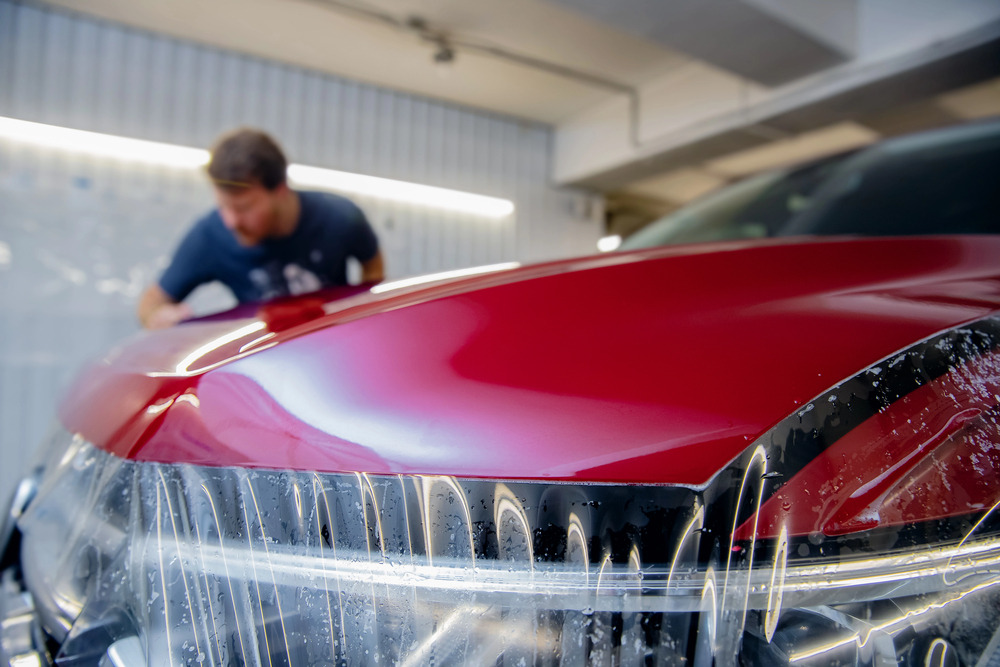
Professional PPF and Ceramic Coating in Clovis, CA
Getting both PPF and ceramic coating right requires professional expertise, proper products, and attention to timing and detail. At Shades & Shine, we specialize in comprehensive paint protection solutions for vehicles throughout Clovis and the surrounding Central California area.
Our team understands the science behind both products and follows manufacturer guidelines to ensure optimal results. We use quality materials, maintain climate-controlled installation facilities, and back our work with comprehensive warranties.
Whether you’re considering PPF, ceramic coating, or the powerful combination of both, we can help you protect your investment and keep your vehicle looking its best for years to come.
Ready to discuss paint protection options for your vehicle? Contact Shades & Shine at 559-594-3959 or visit us at 1977 Las Rosas Ave, Clovis, CA 93619. We offer free consultations to help you determine the best protection strategy for your specific needs and budget.
Frequently Asked Questions
Is ceramic coating on top of PPF worth it? Yes, ceramic coating over PPF provides excellent value by protecting your PPF investment, making maintenance easier, and enhancing appearance. The relatively modest cost of ceramic coating helps preserve a much larger PPF investment.
Can we do ceramic on PPF? Absolutely. Applying ceramic coating over PPF is not only possible but also recommended. The ceramic layer bonds to the PPF surface and provides additional protection and benefits.
How long after PPF can you ceramic coat? Wait a minimum of 7-14 days after PPF installation, with 30 days being optimal for best results. This allows the film to fully cure and outgas before sealing it with ceramic coating.Do I need to polish PPF before ceramic coating? It depends on the condition of your PPF. Fresh, professionally installed film typically doesn’t need polishing. However, light polishing with PPF-safe products may be necessary to remove residues or minor imperfections.