
400+ 5 Star Reviews 

If you’ve ever stood in the auto parts aisle staring at a shelf full of wax and wondered whether you should invest in ceramic coating instead, you’re not alone. It is one of the most common questions we hear from car owners in Clovis and throughout the Fresno area.
When comparing ceramic coating vs wax, the right choice depends on several factors. Your climate, how often your vehicle is parked outdoors, and how long you want paint protection to last all play a role.
For drivers in Clovis and California’s Central Valley, those factors matter even more. Vehicles here face long summers, intense UV exposure, and temperatures that regularly exceed 100°F.
In this guide, we will break down car ceramic coating vs wax, including how they work, how long they last, what they cost over time, and which option makes the most sense for local drivers.
What Is Car Wax?
Car wax has long been a popular way to protect vehicle paint because it is affordable, easy to apply, and adds a deep glossy finish.
Most wax products fall into two categories: carnauba wax and synthetic wax (paint sealant). Carnauba wax, derived from a Brazilian palm tree, is known for its rich shine and is often used on show cars. Synthetic wax uses polymers that typically last longer and are easier to apply.
Both types work by creating a thin protective layer on top of your vehicle’s clear coat. This barrier helps shield the paint from dirt, water, and minor contaminants.
The main drawback is durability. Carnauba wax usually lasts four to eight weeks, while synthetic wax can last three to six months under ideal conditions. In hot climates like Clovis, that protection often wears off much sooner.
What Is Ceramic Coating?
Ceramic coating is a newer paint protection technology that works very differently from wax.
Instead of sitting on top of the paint, ceramic coating chemically bonds with the clear coat, forming a semi-permanent protective layer.
Most professional coatings use silicon dioxide (SiO₂), a compound found in quartz and glass. Once cured, this coating creates an extremely hard, smooth surface that resists environmental damage.
This bonded layer offers several benefits:
- strong resistance to UV rays
- excellent hydrophobic properties that repel water
- protection against chemical contaminants
- improved resistance to minor swirl marks and scratches
Professional coatings typically last two to five years on a daily-driven vehicle. Some premium systems can last even longer with proper maintenance.
For many drivers comparing car coating vs. waxing, this long-term durability is the main advantage.
Car Ceramic Coating vs Wax: Key Differences
When looking at car wax vs ceramic, several performance differences stand out.
| Feature | Car Wax | Ceramic Coating |
| Durability | 4–12 weeks | 2–5 years |
| UV Protection | About 50% | 90–95% |
| Hydrophobic Performance | Moderate | Excellent |
| Heat Resistance | Degrades in high heat | Highly stable |
| Chemical Resistance | Limited | Strong |
| Scratch Resistance | Minimal | Minor swirl resistance |
| Application | DIY friendly | Professionally recommended |
The most important difference is longevity. Wax must be reapplied frequently, while ceramic coating offers long-term protection with minimal maintenance.
Why Clovis Weather Changes the Equation
Many national detailing guides discuss ceramic coating vs wax without considering climate. That matters a lot in the Central Valley.
Clovis and Fresno experience:
- summer temperatures often above 100–110°F
- intense UV exposure
- agricultural dust and pollen
- hard water mineral deposits
High heat can soften traditional wax and significantly reduce its protective performance. After a few weeks of summer sun, wax protection can deteriorate quickly.
Ceramic coating is far more stable under extreme temperatures and maintains its protective properties even during peak Central Valley summers.
It also helps resist:
- water spotting from hard water
- chemical contamination from agricultural environments
- UV-driven paint oxidation
For vehicles parked outdoors in Clovis, this durability can make a major difference.
Are Ceramic Coatings Better Than Wax?
Many drivers ask whether ceramic coatings are better than wax. The answer depends on how the vehicle is used.
Wax may be a good choice if:
- you own a show car or collector vehicle
- your car is stored in a garage
- you enjoy detailing your vehicle frequently
- you prefer a low upfront cost
Ceramic coating usually makes more sense if:
- your vehicle is a daily driver
- it spends significant time outdoors
- you want long-term protection
- you plan to keep the vehicle for several years
For most Clovis drivers dealing with heat and UV exposure, ceramic coating provides stronger and longer-lasting protection.
Ceramic Coating vs Wax Cost Comparison
Cost is one of the biggest factors when comparing car coating vs. waxing.
Here is a typical price range.
| Service | Average Cost |
| DIY Wax | $20–$50 |
| Professional Wax | $100–$250 |
| DIY Ceramic Coating | $80–$200 |
| Professional Ceramic Coating | $800–$2,000 |
While ceramic coating has a higher upfront price, waxing requires frequent reapplication.
Over five years, a vehicle may need 15 to 20 wax applications. When factoring in product costs and labor, ceramic coating often becomes the more economical option long-term.
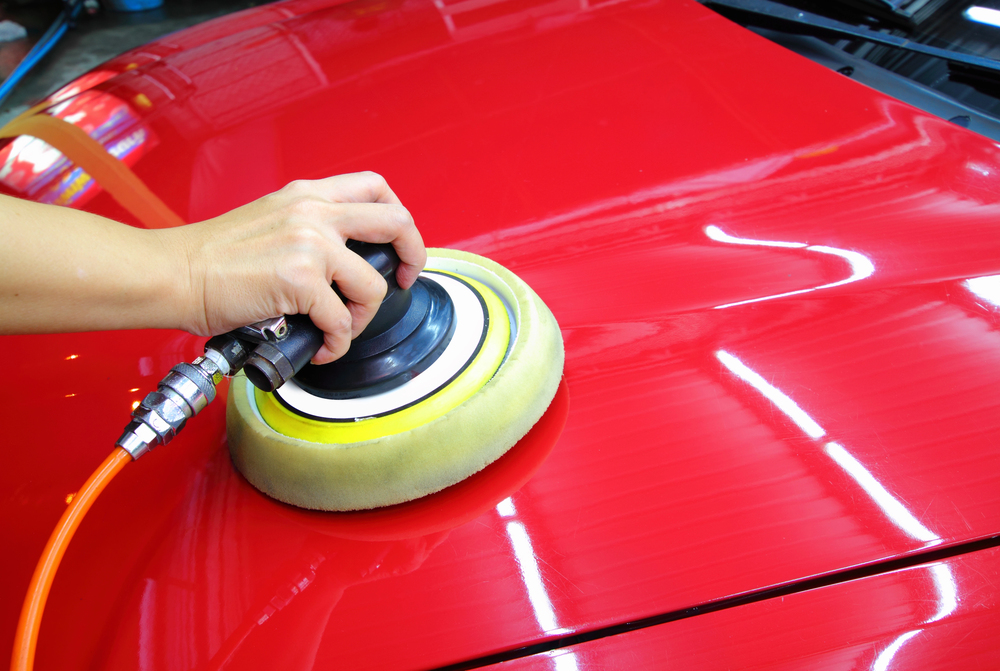
How Professional Detailers Get Cars So Shiny
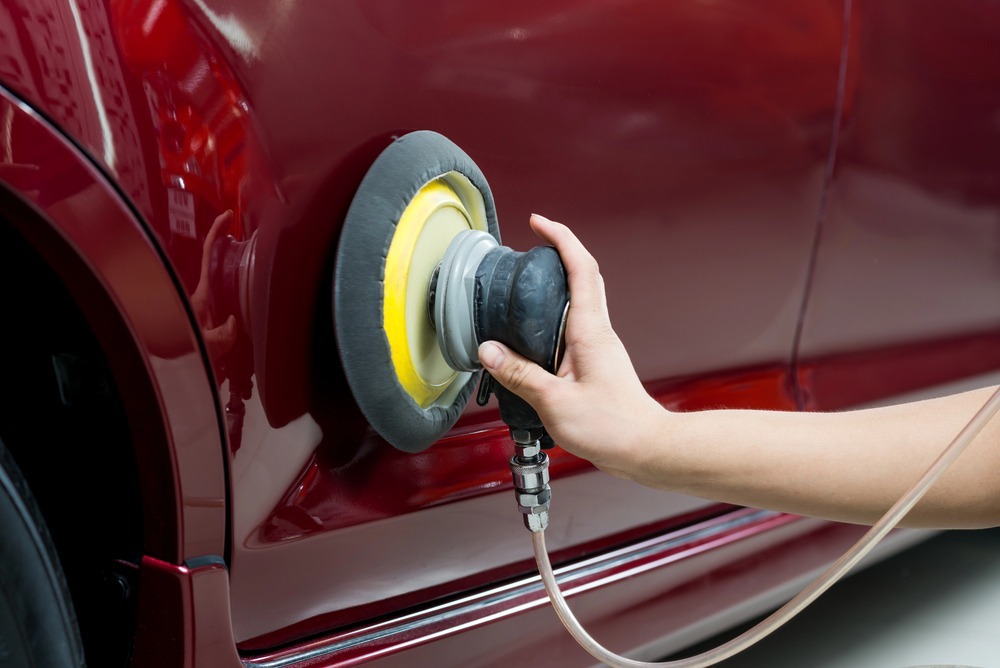
One common question we hear is how detailers achieve such a deep glossy finish. The answer is preparation. Before applying wax or ceramic coating, professionals perform several preparation steps:
- Thorough wash and decontamination to remove dirt, tar, and iron deposits
- Clay bar treatment to eliminate embedded contaminants
- Paint correction to remove swirl marks and oxidation
- Surface preparation to ensure proper bonding
These steps restore the clarity of the vehicle’s clear coat. The coating or wax then enhances and protects that corrected finish.
What Are the Disadvantages of Ceramic Coating?
In the interest of giving you a complete picture, here are the legitimate drawbacks worth knowing before committing:
Higher upfront investment
Professional ceramic coating typically runs $500–$2,000+, depending on vehicle size, paint condition, and coating grade. That’s a real number, and it’s not the right choice for every situation.
It requires professional preparation
The coating is only as good as the surface it’s applied to. Proper decontamination and paint correction are non-negotiable for a quality result—which is why professional application is strongly recommended over DIY for most vehicle owners.
Curing takes time
After application, the coating needs approximately 24 hours before water exposure and 5–7 days before a full cure. Plan accordingly.
It’s not a substitute for paint protection film (PPF)
Ceramic coating offers impressive resistance against light scratches, swirl marks, and chemical etching, but it won’t stop rock chips or significant physical impacts. If stone chip protection is your priority, PPF is the right product for that job.
Ongoing maintenance requires compatible products
After coating, you’ll need to use pH-neutral, ceramic-safe wash soaps. Harsh detergents and abrasive polishes can degrade the coating over time.
What Destroys Ceramic Coating?
Ceramic coatings are durable, but certain factors can degrade them over time.
Common causes include:
- harsh chemical cleaners
- automatic car washes with brushes
- bird droppings left too long
- tree sap buildup
- abrasive polishing compounds
Proper washing techniques and ceramic-safe products help maintain coating performance.
Protect Your Paint the Right Way
Both car wax and ceramic coating have a place in the world of paint protection. But for most car owners in Clovis dealing with triple-digit summers, intense UV exposure, and the unique environmental demands of the Central Valley, ceramic coating isn’t just the premium choice—it’s the smart one.
At Shades & Shine, we offer professional ceramic coating services designed for real-world Central Valley conditions. Every application starts with a thorough decontamination and paint correction process so your coating is built on a flawless foundation, not sealed over imperfections.
Ready to talk about protecting your vehicle? Contact us today for a free quote, and let’s find the right solution for your car.
Frequently Asked Questions
Which is better, car wax or ceramic coating?
It depends on your situation. For daily drivers in hot climates like Clovis, ceramic coating offers significantly better protection with less ongoing maintenance. For show cars, collectors, or those who enjoy regular detailing, wax remains a perfectly valid option.
How long does ceramic coating last compared to wax?
Professional ceramic coating typically lasts 2–5 years on a daily driver. Car wax lasts 4–8 weeks (carnauba) to 3–6 months (synthetic) before needing reapplication.
Can I apply ceramic coating myself?
DIY ceramic coating products exist, but professional application is strongly recommended. Proper surface decontamination and paint correction are essential for a quality result — and mistakes are difficult to fix once the coating cures.
Does ceramic coating prevent scratches?
It provides some defense against light swirl marks and minor abrasions due to its 9H hardness rating, but it won’t prevent rock chips or significant physical impacts. For that level of protection, paint protection film (PPF) is the right solution.
How often should I wax my car in Clovis, CA?
In the Central Valley, traditional carnauba wax typically needs reapplication every 4–6 weeks during summer due to UV intensity and heat. Synthetic wax can stretch to 2–3 months, though performance degrades faster than in milder climates.
What destroys ceramic coating?
The main culprits are harsh chemical detergents, abrasive car washes with brushes, bird droppings or tree sap left too long, abrasive polishes, and improper curing conditions. Following a ceramic-safe maintenance routine protects the coating’s performance and longevity.