
400+ 5 Star Reviews 
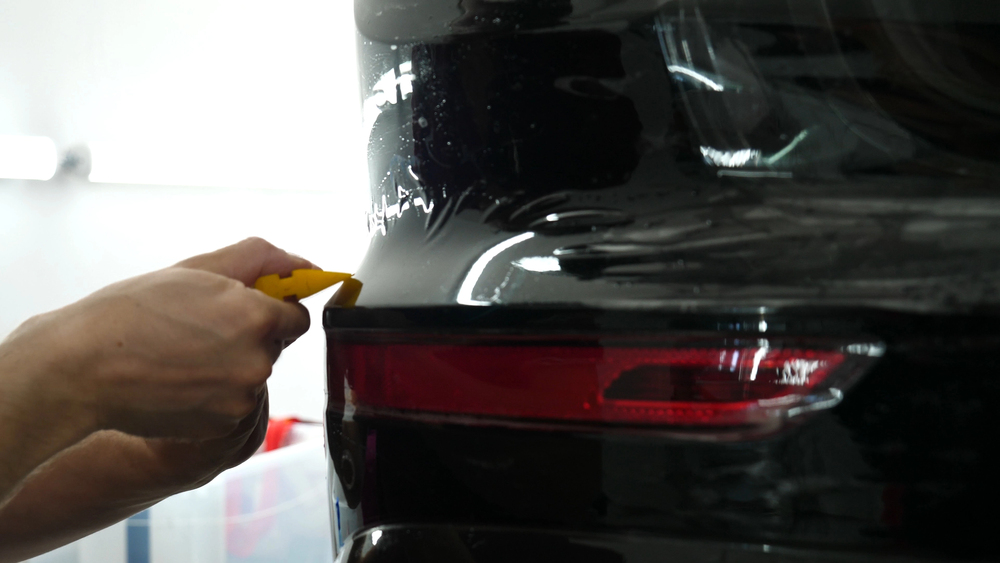

Your car’s paint faces constant damage from rock chips, heat, dust, and UV exposure. In the Central Valley, these problems are even worse due to highway debris, agricultural dust, and intense summer sun.
Colored paint protection film offers a solution that improves your car’s appearance while protecting the paint underneath. Also called color PPF, car color protection film, or colored PPF wrap, this material combines the visual impact of a wrap with the durability of traditional paint protection film.
This guide explains how colored PPF works, what it costs, and whether it is the right choice for your vehicle.
What Is Colored Paint Protection Film?
Colored paint protection film is a thermoplastic polyurethane (TPU) film that contains pigments or specialty finishes that add color and texture. Like clear PPF, it bonds to painted surfaces and protects them from rock chips, scratches, road debris, and UV damage.
Can paint protection film be colored? Yes. Colored PPF is available in many colors and finishes, including gloss, matte, satin, metallic, and color-shift options.
The difference between clear PPF and colored PPF is appearance.
- Clear PPF protects paint while keeping the factory color visible
- Colored PPF protects the paint while changing the vehicle’s color
This is also what separates colored PPF from vinyl wrap.
- Vinyl wrap: PVC film designed mainly for appearance
- Colored PPF: TPU film designed for protection first, with color included
Modern colored PPF options include:
- Gloss
- Matte
- Satin
- Metallic
- Color-shift finishes
- Carbon fiber textures
Availability depends on the film brands your installer carries.
Why Central Valley Drivers Get More Out of Colored PPF
Driving conditions in Fresno, Clovis, and the San Joaquin Valley are harder on vehicle paint than in many parts of the country. Colored PPF helps address several local challenges.
Extreme Heat Helps Activate Self-Healing
Most high-quality PPF films have a self-healing topcoat. Light scratches and swirl marks disappear when the film is exposed to heat.
In cooler climates this often requires warm water or a heat gun. In the Central Valley, summer temperatures frequently exceed 100°F. Surface temperatures on parked vehicles can become even hotter, which helps activate the film’s self-healing properties naturally.
Strong UV Exposure
The Central Valley receives intense sunlight throughout the year. UV exposure is one of the main causes of fading and paint oxidation.
Colored PPF contains UV inhibitors that help prevent fading and protect the factory paint underneath.
Highway Rock Chips
Highways such as Highway 99 and the Grapevine expose vehicles to heavy debris from trucks and agricultural equipment.
PPF is typically 6 to 8 mils thick, which allows it to absorb impacts from gravel and road debris. Vinyl wrap is usually only 2 to 4 mils thick and provides much less protection.
Dust and Agricultural Debris
Dust and fine particles are common in the Central Valley. Colored PPF has hydrophobic properties that help water and dirt slide off the surface. This reduces buildup and lowers the risk of scratching during washing.
Finish Options: How Colored PPF Can Transform Your Car’s Look
One of the most compelling things about modern colored PPF is how far the finish options have come. A few years ago, choices were limited. Today, the range is extensive enough to achieve almost any aesthetic goal:
Gloss
Gloss finishes are the most popular option. They create a deep shine similar to factory paint and highlight the vehicle’s body lines.
Matte
Matte finishes remove shine and produce a flat, modern look often associated with luxury and performance vehicles.
Satin
Satin finishes fall between gloss and matte. They create a smooth, soft sheen that works well on both light and dark colors.
Metallic
Metallic films contain reflective particles that create depth and brightness under changing lighting conditions.
Color-Shift (Chameleon)
Color-shift films change appearance depending on viewing angle and lighting. These are some of the most visually striking options available.
Carbon Fiber Texture
Some films mimic the look of carbon fiber panels without the cost of real carbon fiber components.
The right finish comes down to the vehicle, your personal style goals, and how you plan to use the car. We’re happy to show you physical samples at our Clovis shop so you can see how each finish looks in Valley sunlight before committing.
Colored PPF vs. Vinyl Wrap: Which One Is Right for You?
Many people compare colored PPF with vinyl wrap. While both can change your car’s appearance, they perform very differently.
| Factor | Colored PPF | Vinyl Wrap |
| Base material | TPU (thermoplastic polyurethane) | PVC (polyvinyl chloride) |
| Thickness | 6–8 mil | 2–4 mil |
| Primary purpose | Protection + color | Color/style only |
| Self-healing | Yes | No |
| UV resistance | High — inhibitors built in | Moderate |
| Impact resistance | Absorbs rock chips and debris | Minimal |
| Lifespan | 7–10 years | 3–5 years |
| Full-car cost (approx.) | $5,000–$8,000+ | $2,000–$3,500 |
| Best for | Long-term ownership, daily drivers, luxury/performance vehicles | Budget-conscious changes, leased vehicles, short-term style |
Is colored PPF worth it?
For drivers planning to keep their vehicles long-term, colored PPF usually provides better value. It protects the paint, lasts longer than vinyl wrap, and improves resale value.
Vinyl wrap may still make sense for short-term style changes or leased vehicles.
You also do not need to wrap the entire car. Many drivers choose partial installs that cover high-impact areas such as
- Front bumper
- Hood
- Front fenders
- Mirrors
- Door edges
This reduces costs while still protecting the most vulnerable areas.
How Long Does Colored PPF Last?
High-quality colored PPF typically lasts 7 to 10 years when installed professionally and maintained properly. Many premium films include warranties that cover yellowing, cracking, peeling, and delamination.
Several factors influence how long your colored PPF will hold up:
Installation Quality
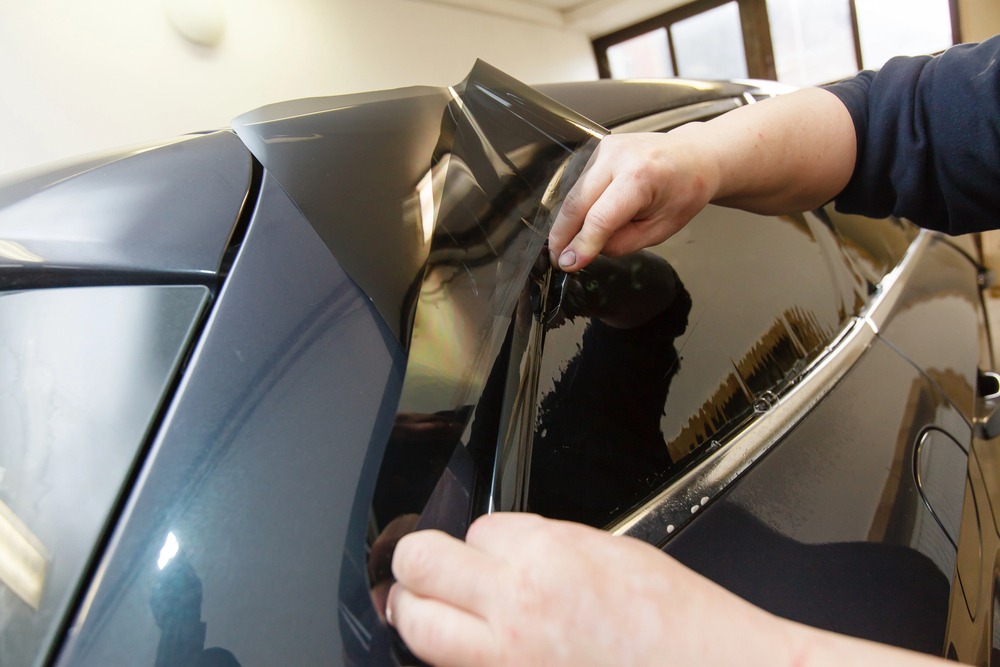
Proper installation is critical. Poor application can cause lifting edges, trapped debris, and early wear.
Sun Exposure
UV exposure affects all automotive films over time. Colored PPF contains UV inhibitors that slow this process.
Maintenance
To maintain colored PPF:
- Wash with pH-neutral automotive soap
- Hand wash when possible
- Avoid abrasive polishes
- Avoid wax on matte or satin finishes
- Use caution with pressure washers near edges
- Consider a ceramic coating over the film
- Remove bird droppings or tree sap quickly
With proper care, colored PPF can reach the upper end of the 7- to 10 year lifespan.
Full Car vs. Partial Colored PPF: What Makes Sense for Your Vehicle?
Not every colored PPF project has to be a full vehicle transformation. Understanding the options helps you make the investment that fits your goals and budget.
Full Car Installation
Full coverage is best when:
- You want a complete color change
- The vehicle is new or high value
- Maximum protection is the goal
Full wraps also produce the most uniform visual result.
Partial Coverage
Partial installs protect areas that take the most damage. Common coverage includes:
- Hood
- Front bumper
- Front fenders
- Mirrors
- Rocker panels
- Door cups and edges
This approach reduces cost while still protecting the most exposed surfaces.
Upgrade Your Vehicle With Colored PPF at Shades & Shine
Colored paint protection film gives you something traditional options cannot: a completely new look with real paint protection built in. Instead of choosing between a vinyl wrap for style or clear PPF for protection, colored PPF delivers both at the same time.
That matters even more in the Central Valley. Constant sun exposure, highway debris, and everyday driving can quickly wear down unprotected paint. A professionally installed colored PPF wrap helps defend your vehicle from chips, scratches, and fading while giving it a bold, customized finish.
At Shades & Shine in Clovis, we specialize in high-quality car color protection film installations designed for long-term durability and clean, seamless results. Our team will help you choose the right color, finish, and coverage so your vehicle looks exactly how you want it to and stays protected for years.
Contact us to explore your colored PPF options and see finish samples in person.
Frequently Asked Questions About Colored Paint Protection Film
Can paint protection film be colored?
Yes. Colored paint protection film uses TPU material infused with pigments or specialty finishes. It protects paint from chips and scratches while changing the vehicle’s appearance.
Is colored PPF worth it?
For drivers keeping their vehicle long term, colored PPF provides strong value. It protects the paint, lasts longer than vinyl wrap, and improves resale value.
How long does colored PPF last?
Most high-quality colored PPF lasts 7 to 10 years with proper installation and maintenance.
Is PPF available in colors?
Yes. Colored PPF comes in many finishes including gloss, matte, satin, metallic, color-shift, and carbon fiber textures.
What is the difference between colored PPF and vinyl wrap?
Vinyl wrap is a thin PVC film designed mainly for appearance. Colored PPF is a thicker TPU film designed for protection with color included.
Can I install colored PPF on only part of my car?
Yes. Many drivers install colored PPF only on high-impact areas such as the hood, bumper, and mirrors to reduce cost while still protecting vulnerable panels.