
400+ 5 Star Reviews 
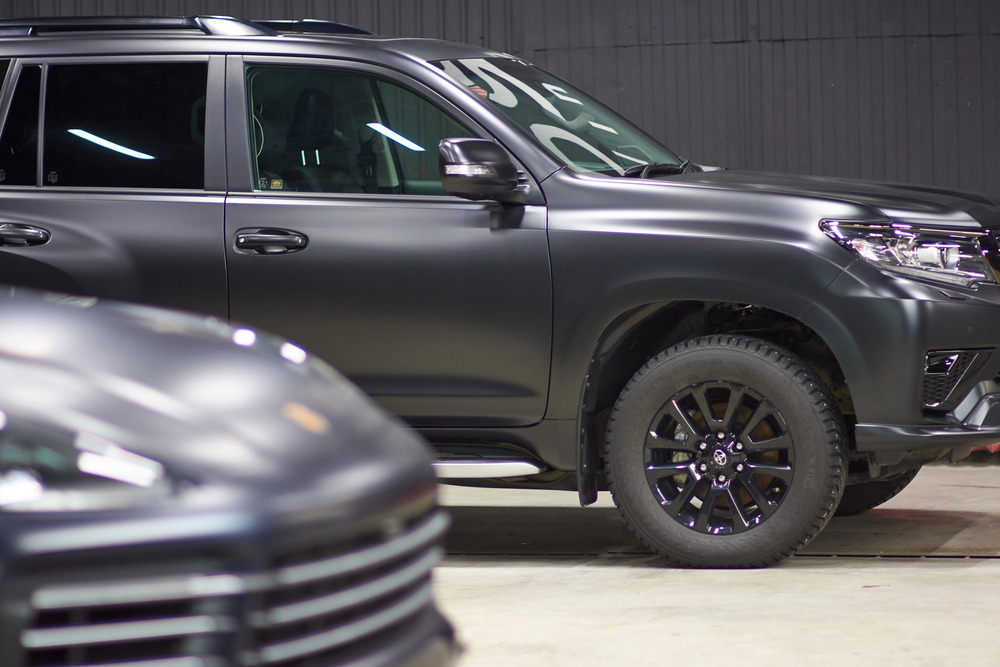

Matte paint finishes create a bold, head-turning look, but they are also some of the most fragile and difficult surfaces to maintain. Unlike gloss paint, matte finishes cannot be polished, corrected, or easily repaired once damaged. That reality leads many owners to ask an important question: does paint protection film work on matte paint?
The short answer is yes, but only when the correct product is used. Matte paint requires matte-specific paint protection film designed to preserve its flat, non-reflective appearance. When installed properly, matte PPF protects against stains, scratches, and environmental damage without altering the finish you paid a premium for.
This guide explains how matte paint protection works, what to expect, and how to protect your matte finish the right way.
Understanding Why Matte Paint Needs Protection
Matte paint differs fundamentally from traditional gloss finishes. The low-gloss, non-reflective surface uses specialized paint formulations with flattening agents that create a more porous surface. This porosity makes matte paint highly susceptible to staining from oils, fingerprints, bird droppings, and other contaminants.
Unlike gloss paint, matte finishes cannot be polished or buffed to remove imperfections. Scratches and swirl marks appear more prominent, water spots etch quickly, and touch-ups are nearly impossible to match properly. Even professional repainting rarely achieves a perfect factory finish match.
The costs of matte paint damage are staggering: repainting a single panel runs $1,500 to $3,000, while a full vehicle respray can exceed $10,000 to $20,000. Given these challenges and costs, prevention becomes absolutely critical and that’s where matte paint protection film comes in.
Does PPF Work on Matte Paint? The Critical Answer
Yes, PPF works exceptionally well on matte paint, but you must use matte paint protection film specifically designed to preserve the flat appearance. This is crucial: regular gloss PPF will add shine and completely ruin your matte finish.
Matte PPF uses the same self-healing urethane technology as gloss PPF but with a specialized matte finish that matches your paint’s low-gloss appearance. It protects without changing the visual characteristics you paid premium prices to achieve.
What Matte PPF Protects Against
Matte paint protection film shields your vulnerable finish from rock chips, road debris, scratches, and abrasions. More importantly for matte finishes, it prevents fingerprints and hand oils from staining the porous surface, a massive benefit that transforms the ownership experience.
The film also protects against bird droppings, tree sap, UV damage, water spots, and environmental contaminants that would otherwise permanently damage bare matte paint. This protection layer sits between your irreplaceable finish and the hazards of daily driving.
Understanding the Limitations
While matte PPF provides outstanding protection, it may add subtle texture that’s usually unnoticeable. Seams might be slightly more visible on matte surfaces than gloss finishes, making experienced installation critical. Self-healing properties work effectively but may appear less dramatic on matte surfaces due to the finish’s nature.
Not all PPF brands offer quality matte options, and film edges must be expertly placed to maintain the seamless appearance. This specialized application requires installers with specific matte finish experience.
Benefits of Matte Paint Protection Film
The vulnerability of matte paint makes PPF not just beneficial but essential for most owners who actually drive their vehicles.
Stain Prevention: The Game-Changer
For matte paint owners, stain prevention represents PPF’s most valuable benefit. The film prevents oils, fingerprints, bird droppings, and contaminants from penetrating the porous matte surface. What would permanently stain bare matte paint simply wipes off the protected film.
Physical Damage Shield
Matte PPF shields against rock chips that would be irreparable on bare paint, prevents scratches from washing and parking lot incidents, and absorbs impact from road debris. The self-healing properties repair minor scratches with heat application, and high-impact areas like the front bumper, hood, and mirrors receive crucial protection.
Easier Maintenance
Protected areas are significantly easier to maintain than bare matte paint. You can wash without fear of adding shine or damaging the finish, and fingerprints wipe off easily instead of creating permanent stains. Standard pH-neutral soap works on PPF-protected areas, eliminating the need for expensive matte-specific cleaners.
Value Preservation
Matte-finish vehicles command premium prices, but damaged matte finish dramatically reduces resale value. PPF keeps the finish pristine while remaining removable if future buyers prefer an unprotected look. This demonstrates careful ownership and protects your investment.
The cost avoidance alone justifies the investment: preventing even one panel repaint ($1,500-$3,000+) covers a significant portion of PPF installation costs.
Matte PPF vs Regular Gloss PPF: Critical Differences
Understanding these differences prevents expensive mistakes.
Gloss PPF adds shine and creates a reflective surface that completely ruins matte aesthetics. Using gloss PPF on matte paint destroys the unique appearance you paid for. Matte PPF, by contrast, maintains the flat, non-reflective appearance and is designed to be invisible on matte surfaces.
Application complexity increases with matte PPF. Edges and seams become more noticeable on matte surfaces, making installer experience critical. You must select film that matches your exact matte level for seamless results.
Matte PPF typically costs 10-20% more than gloss PPF, reflecting the specialized product and expertise required. However, this premium remains far cheaper than matte paint repairs, and the investment protection is proportional to your paint’s value.
Availability poses another consideration. Not all installers carry or work with matte PPF, and fewer brand options exist compared to gloss PPF. Finding installers experienced with matte finishes requires advance planning.
What to Expect: Installation and Appearance
Finding the right installer is paramount. They must have specific experience with matte finishes, a portfolio of matte PPF installations, access to quality matte film brands, and a climate-controlled facility. Understanding matte paint’s unique sensitivity is essential.
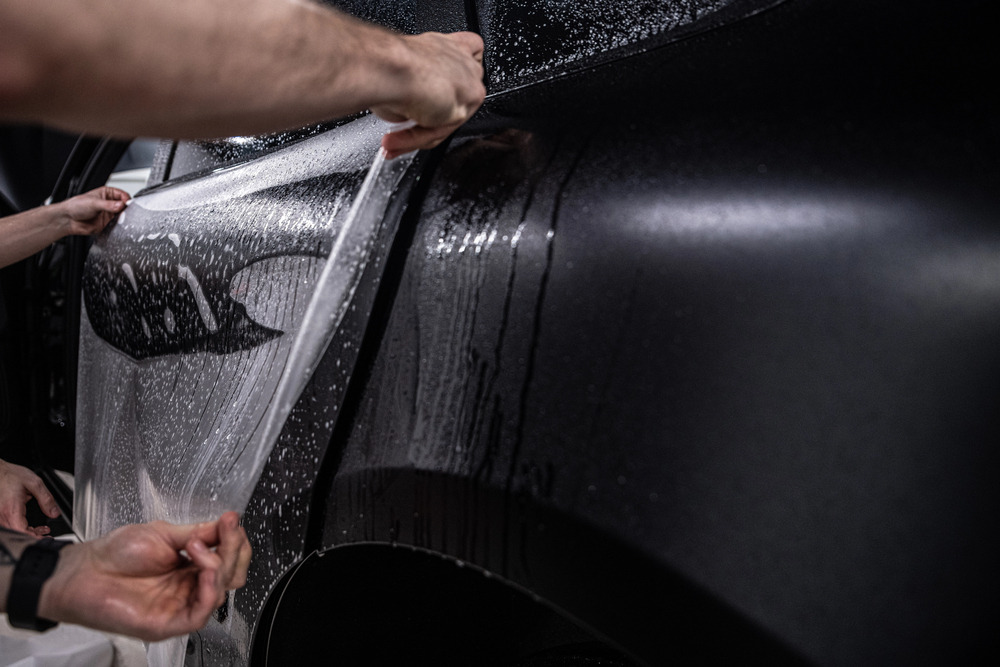
The installation process resembles gloss PPF application but requires extra care on edges and strategic seam placement to minimize visibility. Proper squeegee technique prevents marring the matte surface, with multiple quality checks throughout. Full curing takes 7-14 days for complete clarity.
Post-installation, the film should maintain your paint’s exact matte finish. Edges might be slightly more visible than on gloss finishes, and you may see very subtle texture in certain lighting. After complete curing, properly installed matte PPF should be nearly undetectable.
Coverage Recommendations
Given matte paint’s vulnerability, full front coverage is highly recommended: hood, front bumper, fenders, and mirrors at minimum. Consider full vehicle coverage since matte paint damage is so costly and difficult to repair. Prioritize high-touch areas like door handles, rocker panels, and trunk edges.
Partial coverage risks visible differences between protected and unprotected areas, which can be more noticeable on matte finishes.
Cost of Matte Paint Protection Film
Partial front coverage typically costs $2,500 to $4,000, full front end protection runs $3,500 to $5,500, and full vehicle coverage ranges from $6,000 to $10,000+. These prices represent a 10-20% premium over gloss PPF.
The higher cost reflects the specialized film’s specific finish properties, required installer expertise, meticulous installation process, and limited brand availability. The higher skill level needed for seamless results on matte finishes justifies the premium.
Compare these costs to alternatives: a single-panel matte repaint costs $1,500 to $3,000, multiple panels run $5,000 to $10,000, and a full respray exceeds $10,000 to $20,000. Match issues often create permanent inconsistencies. PPF prevents these costs entirely while preserving your factory finish.
Maintaining Your Matte PPF
Proper maintenance keeps your matte PPF looking correct and functioning optimally.
Hand wash only using pH-neutral car soap, a soft microfiber wash mitt, and gentle straight-line motions. Thoroughly rinse and pat dry with clean microfiber towels. Never use automatic car washes, which will damage the film.
Wash weekly for optimal results and immediately after exposure to contaminants. Matte PPF is more forgiving than bare matte paint, but regular maintenance prevents buildup.
Never use waxes, polishes, abrasive cleaners, petroleum-based products, gloss enhancers, or harsh chemicals on matte PPF. These products add unwanted shine or damage the film. Stick to pH-neutral soap and matte-specific detail sprays only.
With proper care, matte PPF lasts 5-10 years—the same durability as gloss PPF. Regular maintenance and professional inspections ensure longevity.
Common Concerns About Matte PPF
Will it change my matte finish? No. Properly installed quality matte PPF preserves your exact appearance. The key is using correct matte film, not gloss PPF.
Will seams be visible? Seams may be slightly more noticeable than on gloss finishes, but skilled installers place them strategically along body lines to minimize visibility.
Can I still wash normally? Yes. Washing actually becomes easier since PPF protects against oils and contaminants that stain matte paint. Use pH-neutral soap and proper technique.
What about removal? Quality matte PPF removes cleanly without paint damage. You can protect it during ownership and remove it before selling if desired.
Does self-healing work? Yes, matte PPF self-heals with heat application, though the effect may be less visually dramatic than on gloss surfaces.
Can I apply ceramic coating? Only use ceramic coatings specifically designed for matte finishes. Standard gloss ceramic coatings will add shine and ruin the appearance.
Choosing the Right Installer in Clovis, CA
Installer expertise matters more with matte finishes than gloss. Look for portfolios showing successful matte PPF installations, understanding of matte paint sensitivity, familiarity with multiple matte film brands, and experience with various matte finish levels.
Ask these critical questions: How many matte PPF installations have you completed? Can I see examples of your matte work? Which matte PPF brands do you offer? How do you match film to specific matte finishes? What warranty covers matte installations?
Red flags include no matte finish experience, claims that “any PPF works on matte,” inability to show a matte-specific portfolio, significantly lower pricing than competitors, and dismissing concerns about finish preservation.
Professional Matte Paint Protection in Clovis, CA
Protecting your matte finish requires specialized expertise and quality materials. At Shades & Shine, we provide professional matte paint protection film installation using premium matte-specific films and proven techniques.
Our experienced team understands the unique requirements of matte finishes and delivers seamless installations that preserve your vehicle’s distinctive appearance. We serve Clovis and surrounding Central California areas with expert service backed by comprehensive warranties.
Ready to protect your matte finish with specialized PPF? Contact Shades & Shine at 559-594-3959 or visit us at 1977 Las Rosas Ave, Clovis, CA 93619. We offer free consultations to assess your needs and provide transparent pricing for matte paint protection solutions.
Frequently Asked Questions
Does PPF work on matte paint? Yes, PPF works excellently on matte paint when you use matte-specific film. Regular gloss PPF will ruin the finish by adding shine. Matte PPF protects while maintaining the flat, non-reflective appearance.
What is matte paint protection film? Matte paint protection film is specialized urethane film with a matte finish that protects paint while preserving low-gloss appearance. It offers the same physical protection as gloss PPF but maintains your vehicle’s matte aesthetic.
Is matte PPF worth the cost? Absolutely. Matte paint is extremely vulnerable and nearly impossible to repair properly. Matte PPF costs $2,500-$10,000 depending on coverage, while repairs can exceed $10,000-$20,000 with no guarantee of matching the original finish.How long does matte PPF last? Quality matte PPF lasts 5-10 years with proper maintenance—the same lifespan as gloss PPF. Longevity depends on care, environmental exposure, and film quality.