
400+ 5 Star Reviews 
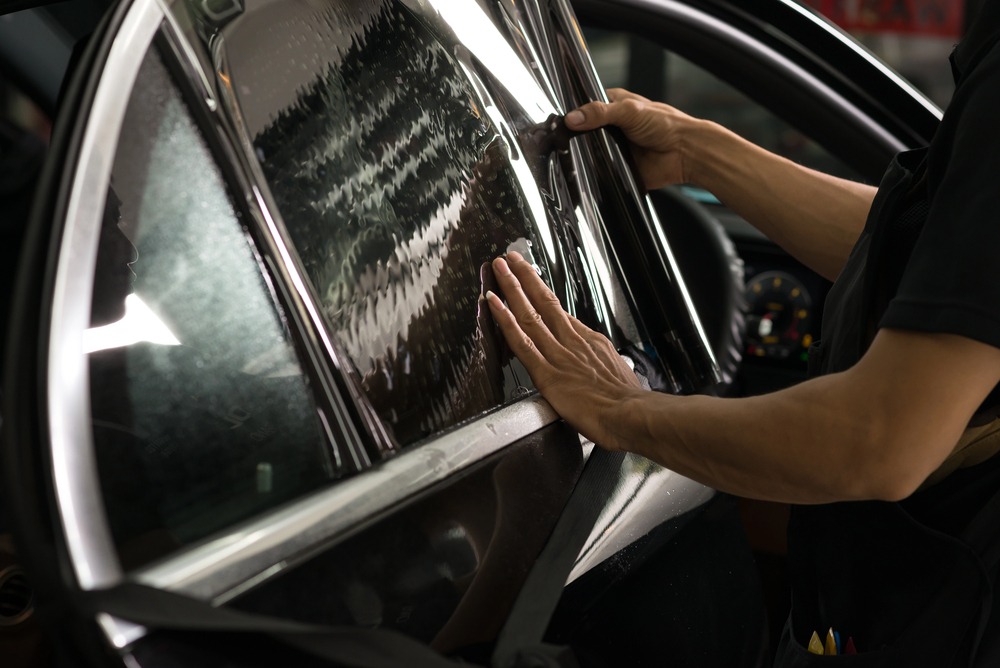

Open your car on a July afternoon in Clovis and you feel it instantly. Trapped heat, scorching seats, and air that feels unbreathable.
Factory glass does little to stop solar heat, which is why heat-blocking window tint is one of the most practical upgrades you can make. But many drivers get this wrong: darker does not mean cooler. Shade and heat rejection are completely different.
A dark dyed tint can let most heat in, while a nearly clear ceramic film can dramatically lower cabin temperatures. This guide explains how heat-blocking window tint works, which films perform best, and what to look for before choosing the right option for real heat reduction.
Why Your Car Gets So Hot
Solar energy arrives at your vehicle in three forms: visible light, ultraviolet (UV) radiation, and infrared (IR) radiation. Most people think of sunlight as just “bright and hot,” but these three components behave very differently, and they require different technologies to block.
Here’s what matters most for heat:
- Visible light accounts for roughly 44% of solar energy. It’s what you can see.
- Infrared radiation (IR) accounts for approximately 53% of solar energy. It’s invisible, but it’s the primary driver of heat buildup inside your vehicle.
- Ultraviolet (UV) radiation makes up around 3% of solar energy. It’s the component responsible for skin damage, interior fading, and dashboard cracking.
Standard automotive glass blocks minimal IR. That is why your interior temperature can climb 40 to 50 degrees above the outside temperature within minutes.
Quality window tint addresses this directly, but only if it’s engineered to block IR, not just visible light. That’s the key distinction that separates high-performance heat-blocking films from decorative ones.
Types of Heat-Blocking Window Tint: Ranked by Performance
Film technology is what separates a tint that looks good from one that actually keeps you cool. Here’s how the main options stack up.
1. Ceramic Window Tint: Best Overall Heat Rejection
Ceramic is widely considered the best heat-blocking window film available for vehicles.
It uses nano-ceramic particles embedded in the film to block infrared radiation without relying on darkness. High-quality ceramic tint can reject up to 80 to 90 percent of IR and up to 99 percent of UV rays.
Benefits of ceramic tint:
- Maximum heat reduction
- 99% UV protection
- No signal interference
- No fading or color shift
- Lifetime manufacturer warranties
Even lighter ceramic films at 70% VLT can significantly reduce heat. For Central Valley summers that regularly exceed 100°F, ceramic tint delivers a noticeable difference the moment you enter your vehicle.
Best for: Drivers who want the best car window tint to reduce heat long term.
Price range: Premium, with a 10+ year lifespan.
2. Carbon Window Tint: Strong Mid-Range Option
Carbon tint uses carbon particles to absorb and block infrared radiation.
Typical performance:
- 40 to 70% IR rejection
- Up to 99% UV rejection
- No electronic interference
Carbon film has a matte finish and resists fading better than dyed tint. It provides meaningful heat reduction at a lower cost than ceramic.
Best for: Drivers who want strong performance at a moderate price.
3. Metalized Window Tint: Reflective but Outdated for Modern Vehicles
Metalized tints embed tiny metallic particles in the film to reflect solar energy back before it enters the vehicle. They do provide reasonable heat rejection and are quite durable.
The tradeoffs are real, though. The metallic content can interfere with GPS navigation, cell signals, toll transponders, and keyless entry systems. For modern vehicles loaded with electronics and driver-assist tech, this is a meaningful concern. Metallic tints also tend to have a reflective, shiny appearance that some drivers like and others find too aggressive.
Best for: Older vehicles without advanced electronics where signal interference isn’t a concern. Price range: Moderate.
4. Dyed Window Tint: Appearance Only
Dyed tint is the most common budget option, and it’s important to set expectations clearly: dyed film absorbs visible light but does very little to block infrared radiation. It will make your windows darker and add some privacy, but it won’t meaningfully reduce the heat inside your vehicle.
Dyed films also fade over time, often within a few years, shifting from black to a purplish tone. UV rejection is lower than ceramic or carbon options, meaning your interior is still at risk for fading and cracking.
If heat reduction is your goal, dyed tint is not the answer.
Best for: Appearance and privacy only, not heat management.
Price range: Budget.
Quick Comparison at a Glance
| Film Type | IR Rejection | UV Rejection | Signal Safe | Lifespan |
| Ceramic | Up to 90% | Up to 99% | Yes | 10+ years |
| Carbon | Up to 70% | Up to 99% | Yes | 7–10 years |
| Metalized | Moderate | High | May interfere | 5–8 years |
| Dyed | Low | Moderate | Yes | 2–5 years |
What to Look for in Heat-Blocking Window Tint
Once you’re shopping for heat-blocking film, here are the specs that actually matter.
IR Rejection Rate
Infrared rejection is the key number for heat reduction. IR radiation causes most cabin heat buildup. Look for films with 70% or higher IR rejection. Premium ceramic options reach 80 to 90%. Always review the official spec sheet. Do not assume a darker tint means better performance.
UV Rejection Rate
High-quality ceramic or carbon films block up to 99% of UV rays. This protects your skin, prevents dashboard cracking, reduces seat fading, and preserves interior materials. A 99% UV rejection rate should be standard for professional-grade tint.
TSER: Total Solar Energy Rejected
TSER measures total solar energy blocked, including visible light, IR, and UV. A rating of 50% or higher indicates strong overall performance and is useful for comparing brands side by side.
VLT vs. Heat Rejection
VLT measures darkness, not heat blocking. A 70% VLT ceramic film can reject more heat than a dark 20% dyed film. Comfort comes from IR rejection and TSER, not shade.
Brand, Warranty, and Installation
Choose established brands such as 3M, LLumar, XPEL, SolarGard, or Huper Optik. Quality ceramic films typically include lifetime warranties against bubbling, peeling, cracking, and discoloration. Professional installation is just as important as the film itself.
Heat-Blocking Window Tint vs. Home Window Film: Not the Same Thing
Many heat-blocking films from brands like 3M or Gila are designed for flat home windows, not vehicles. Car windows are curved and require heat shrinking, precise cutting, and professional installation. Applying flat residential film to curved glass often leads to wrinkles, bubbles, lifting edges, and distorted visibility, and it rarely performs as rated.
There is also a legal risk. Residential films are not designed to meet automotive tint laws, and using the wrong product could leave your vehicle out of compliance.
Automotive heat-blocking tint is engineered specifically for cars. When professionally installed, it fits correctly, performs as tested, and meets state regulations.
How Much Heat Can Window Tint Actually Block?
High-quality ceramic window tint can lower interior temperatures by 15 to 20 degrees compared to an untinted vehicle in the same conditions. On a 105°F Central Valley day, an untinted car can reach 150 to 155°F inside. A properly tinted vehicle may stay closer to 130 to 135°F and cool down faster once the A/C is on.
The benefits go beyond temperature. Ceramic tint blocks up to 99% of UV rays, helping prevent faded seats, cracked dashboards, and worn trim, while protecting resale value. It also reduces harsh glare during early morning and late afternoon drives, improving comfort and visibility.
When your cabin stays cooler, your A/C works less. That means reduced strain on the system and better overall efficiency during long, hot summers.
Is Heat-Blocking Window Tint Legal?
Yes, heat-blocking window tint is legal as long as it meets your state’s Visible Light Transmission requirements. Heat rejection comes from infrared-blocking technology, not how dark the film looks, so you can choose high-performance ceramic or carbon film and stay compliant.
In California, front side windows must allow at least 70% of visible light to pass through. Even a 70% or 90% VLT ceramic film can block significant infrared heat while remaining fully legal.
Rear side and rear windows in California have no minimum VLT requirement if the vehicle has dual side mirrors. This allows you to go darker in the rear for added privacy and increased heat reduction.
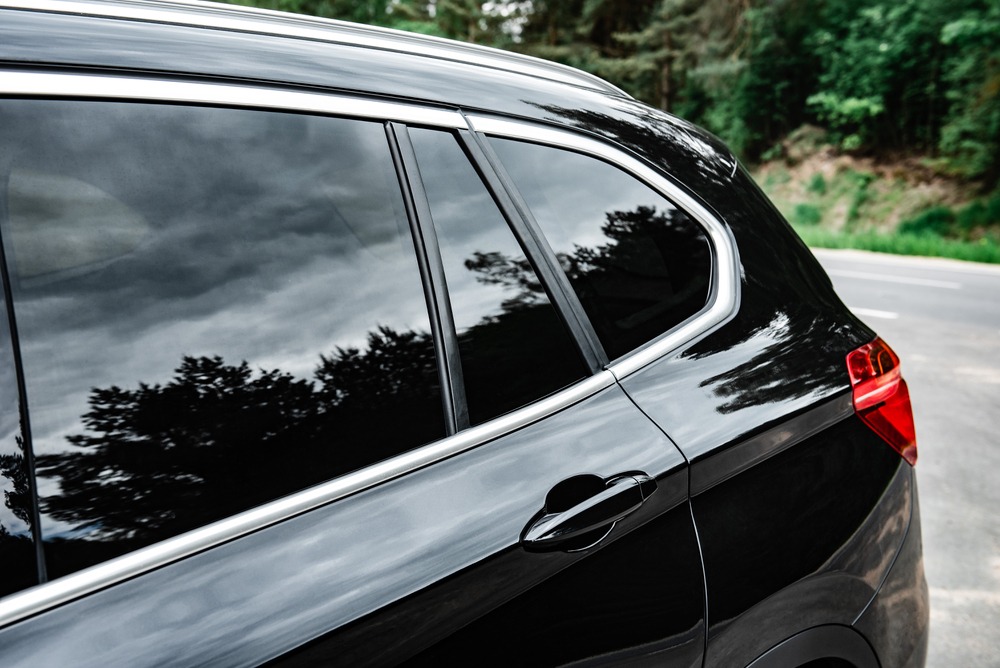
Heat-Blocking Window Tint for Clovis and the Central Valley
Clovis and the Central Valley experience long stretches of triple-digit heat and intense sun exposure. These conditions put serious stress on vehicle interiors.
In this climate, heat-blocking window tint is not about appearance. It is about comfort and protection.
High-quality ceramic tint helps:
- Reduce interior temperatures
- Protect seats, dashboards, and trim from UV damage
- Decrease strain on your air conditioning system
The difference between ceramic tint and basic dyed film is noticeable, especially during peak summer months.
At Shades & Shine, we install professional-grade window tint designed for Central Valley heat. We measure your factory glass, explain your options clearly, and install the film properly so it performs as expected and meets California law.
Get Heat-Blocking Window Tint Installed in Clovis, CA
Choosing the right heat-blocking window tint comes down to performance, not darkness. The best car window tint to reduce heat uses advanced infrared-blocking technology to lower cabin temperatures, protect your interior, and improve overall driving comfort.
In a place like Clovis and the Central Valley, where triple-digit summers are routine, high-quality ceramic tint is a practical upgrade that delivers long-term value. It helps keep your vehicle cooler, reduces UV damage, and takes pressure off your air conditioning system.
At Shades & Shine, we specialize in professional window tint installation for drivers throughout Clovis and the Fresno area. Contact us today to learn more about our services.
Frequently Asked Questions
What is the best car window tint to reduce heat?
Ceramic window tint is the best option for heat reduction. It can block up to 90% of infrared radiation and up to 99% of UV rays. Because performance comes from infrared-blocking technology, you can choose a lighter, legal shade and still get excellent heat rejection.
Does a darker tint mean more heat rejection?
No. Darkness does not equal performance. Heat reduction depends on infrared rejection, not how dark the film looks. A light ceramic film will outperform a dark dyed film for reducing heat.
What is the difference between IR rejection and UV rejection?
IR rejection reduces cabin heat by blocking infrared radiation, which is responsible for most heat buildup. UV rejection protects your skin and prevents interior fading and cracking. If your goal is a cooler interior, IR rejection is the key number to check.
How long does heat-blocking window tint last?
Ceramic and carbon films typically last 10 years or more when professionally installed. Dyed films usually last 2 to 5 years before fading, bubbling, or losing performance.
Can I install heat-blocking window tint myself?
DIY kits are available, but car windows are curved and require precise cutting and proper installation techniques. Improper application often leads to bubbles, peeling, or poor performance. Professional installation ensures the film fits correctly and meets legal requirements.
Will heat-blocking tint interfere with my electronics?
Ceramic and carbon tints are signal safe and will not interfere with GPS, cell service, radio, or driver-assist systems. Metallic films can cause interference and are generally not recommended for modern vehicles.