
400+ 5 Star Reviews 

You’ve invested thousands of dollars in paint protection film to safeguard your vehicle’s finish, but that protection only lasts if the film is cared for properly. With the right maintenance, high-quality PPF can protect your paint for 5 to 10 years. Without it, the film can degrade, stain, or fail in as little as 2 to 3 years, cutting its lifespan short and wasting your investment.
This guide explains exactly how to maintain paint protection film, including the best cleaning practices, products to use and avoid, and expert care tips that help preserve clarity, durability, and long-term performance.
Why PPF Maintenance Matters
Paint protection film typically costs between $2,000 and $8,000 depending on coverage. Proper maintenance protects this investment by preventing premature yellowing, staining, and degradation while maintaining the film’s self-healing properties.
Regular care keeps the protective qualities at peak effectiveness, preserves clarity and appearance, and prevents edge lifting or adhesion issues. Most importantly, it protects your vehicle’s resale value and helps you avoid the cost of early replacement.
In Clovis, CA, where intense sun exposure, heat, dust, and agricultural contaminants are common, maintaining your PPF becomes even more critical to combat these environmental factors.
How to Clean Paint Protection Film: Step-by-Step
Proper cleaning is the foundation of PPF maintenance. Here’s the correct process.
Washing Frequency
Wash your PPF-protected vehicle weekly for optimal results, with biweekly as the absolute minimum. Always wash immediately after exposure to bird droppings, tree sap, or bug splatter; these contaminants can permanently stain or etch the film if left too long.
The Five-Step Washing Process
Step 1: Pre-Rinse. Start with a thorough rinse using moderate water pressure, working from top to bottom. Remove all loose dirt and debris, but avoid spraying edges directly with high-pressure water, which can force moisture under the film.
Step 2: Two-Bucket Setup. Fill one bucket with pH-neutral car soap (ideally 7.0 pH) and water, and another with clean rinse water. Use a high-quality microfiber wash mitt and work panel by panel.
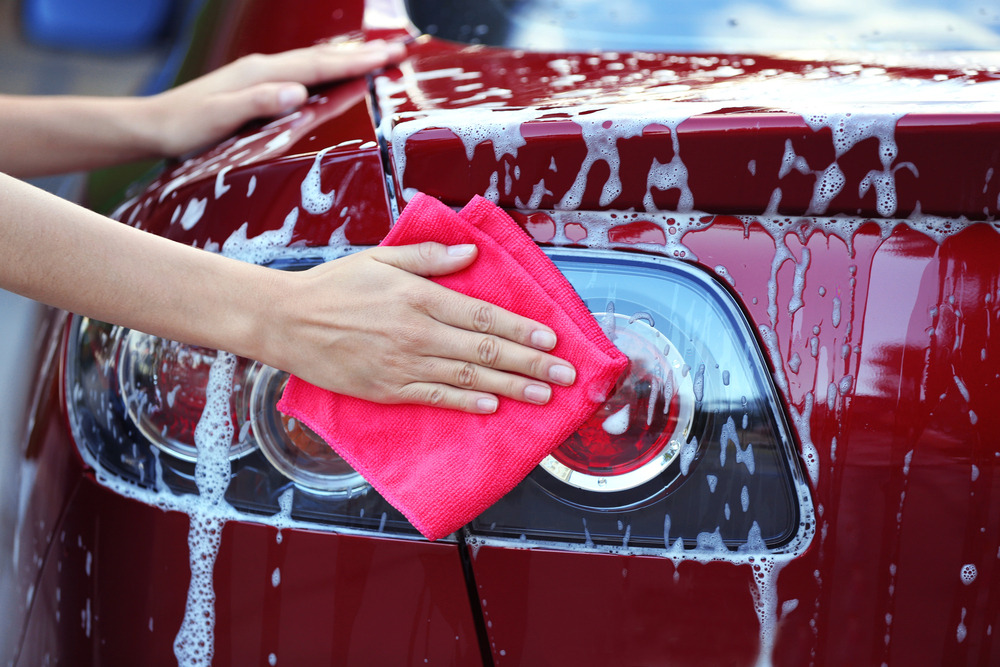
Step 3: Gentle Hand Washing. Apply soap using straight-line motions rather than circular patterns. Let the soap do the work; minimal pressure is needed. Rinse your mitt frequently in the clean water bucket to avoid reintroducing dirt. Never use automatic car washes with brushes, as they can scratch and damage the film.
Step 4: Thorough Rinsing. Remove all soap residue completely, paying special attention to seams and edges. Ensure no soap pools in crevices. Using filtered or deionized water for the final rinse helps prevent water spots.
Step 5: Proper Drying. Use clean, plush microfiber drying towels and pat or blot—don’t scrub. Dry edges carefully to prevent water from getting trapped under the film. Consider using an air blower for edges and crevices where water tends to collect.
Essential Products and Tools
- pH-neutral car wash soap
- Two wash buckets with grit guards
- Multiple microfiber wash mitts and drying towels
- PPF-safe detail sprays for quick cleaning between washes
- Gentle hose nozzle or foam cannon
Products and Methods That Damage PPF
Knowing what to avoid is just as important as knowing proper care techniques.
Never Use These Products
Harsh or abrasive cleaners, petroleum-based products, bug and tar removers with strong solvents, traditional carnauba waxes (which can yellow PPF), degreasers, industrial cleaners, or ammonia-based window cleaners on PPF areas will all damage your film. These products break down the adhesive layer, cause yellowing and discoloration, damage self-healing properties, and accelerate degradation.
Avoid Automatic Car Washes
Brushes can scratch the film, harsh chemicals damage it, high heat degrades the adhesive, and equipment can catch and lift edges. Even touchless car washes use chemicals too harsh for PPF. Always hand wash your PPF-protected vehicle.
Use Pressure Washers Carefully
If using a pressure washer, keep it 12+ inches away from the surface, use a wide fan pattern (not a pinpoint stream), and stick to lower pressure settings. Never spray edges directly at close range, as this can force water under the film.
Skip Abrasive Materials
Avoid stiff brushes, scrubbing pads, old or dirty towels, squeegees (except during installation), and paper towels or rags. These can all scratch or damage your PPF’s surface.
Car Paint Protection Tips: Handling Contaminants
Quick action on contaminants prevents permanent damage to your PPF.
Bird Droppings
Remove within 24-48 hours, as their acidic nature can stain PPF. Soak the area with a damp microfiber cloth first, then gently wipe away; never scrape. Follow with a proper wash of the affected area.
Tree Sap and Tar
Use a PPF-safe adhesive remover, applying it according to product instructions. Let it dwell, then wipe gently with a microfiber cloth. Multiple applications may be necessary, but never use harsh solvents.
Bug Splatter
Pre-soak bugs with a PPF-safe bug remover and let sit for several minutes. Gently wipe with microfiber, then wash the area thoroughly. Don’t let bugs sit for days; they can etch into the film.
Water Spots
Wipe down your vehicle after rain when possible. Use distilled water for your final rinse to prevent spots. Detail spray can remove light spots, while stubborn water spots may need professional attention.
PPF Maintenance Schedule
Following a regular schedule ensures consistent protection.
Weekly: Hand wash with proper technique, quick visual inspection, contaminant removal, edge checks
Monthly: Thorough cleaning, detailed inspection of entire coverage, apply detail spray or booster if needed
Quarterly: Apply PPF sealant or booster product, deep clean and inspect seams, check for yellowing, document condition
Bi-Annual: Professional inspection, address any edge lifting, consider professional cleaning and enhancement
Annual: Professional detail and evaluation, assess overall condition, plan for repairs if needed
In Clovis, CA’s climate, increase washing frequency during agricultural seasons when dust and pollen are heavy, pay extra attention during hot summer months, and clean promptly after rain to prevent water spots.
Enhancing PPF with Additional Protection
Layering protection over your PPF can significantly extend its lifespan and improve performance.
Ceramic Coating Over PPF
A ceramic coating creates a hydrophobic top layer that protects the PPF from UV damage and chemicals, makes cleaning easier, and enhances gloss. This additional layer can extend your PPF’s lifespan by several years. Professional application is recommended, and you must wait 30 days after PPF installation before applying ceramic coating.
PPF-Specific Sealants
These products are designed specifically for film compatibility and offer easier DIY application than ceramic coating. They’re more affordable and should be reapplied every 3-6 months for continued protection enhancement.
When choosing any product, ensure compatibility with your specific PPF brand, read reviews from other PPF users, and follow manufacturer instructions precisely. Don’t mix incompatible products.
Common PPF Maintenance Mistakes
Avoid these frequent errors that shorten PPF lifespan.
Cleaning mistakes include using circular scrubbing motions that create swirl marks, washing in direct sunlight (causes water spotting), not rinsing thoroughly (soap residue damages film), and using dirty towels or mitts.
Product errors involve applying regular car wax, using all-purpose cleaners on PPF, trying home remedies instead of proper products, and mixing incompatible products.
Maintenance oversights like skipping the regular washing schedule, ignoring edge lifting or small damage, not addressing contaminants promptly, and neglecting professional inspections all lead to premature film failure.
False economy choices using cheap wash products, avoiding professional help when needed, delaying repairs, and using automatic car washes “just this once” ultimately cost more when PPF needs early replacement.
When Your PPF Needs Professional Attention
Certain issues require expert evaluation and care.
Contact your installer if you notice yellowing or discoloration, cloudy or hazy areas, loss of gloss or clarity, edge lifting beyond normal, bubbles forming after the initial cure period, tears or punctures, or loss of hydrophobic properties.
Professionals can safely remove stubborn stains, repair minor damage, replace damaged sections, reactivate self-healing properties with heat treatment, and apply professional-grade sealants. Annual professional inspections help maintain warranty coverage and catch issues early.
DIY vs Professional Maintenance
Understanding what you can handle versus when to seek help optimizes your maintenance approach.
You can handle regular washing and drying, applying detail sprays and boosters, removing fresh contaminants, and basic visual inspections yourself. These DIY tasks cost about $50-100 per year in products.
Seek professional services for bi-annual detailed inspections, annual deep cleaning and conditioning, ceramic coating application, and warranty-required maintenance. Professional detailing typically costs $150-300+ per visit but preserves your much larger PPF investment.
Always go professional for stubborn stains, edge lifting, damage assessment and repair, and complex contamination removal. Prevention through proper DIY maintenance costs far less than replacement.
Professional PPF Maintenance in Clovis, CA
Proper maintenance makes the difference between years of reliable protection and costly premature replacement. At Shades & Shine, we provide professional PPF maintenance services, including deep cleaning, inspection, ceramic coating application, and damage repair.
Whether you need expert maintenance advice, professional cleaning services, or have concerns about your PPF’s condition, our experienced team can help. We serve Clovis and surrounding Central California areas with comprehensive car care and paint protection services.
Ready to protect your PPF investment with professional maintenance? Contact Shades & Shine at 559-594-3959 or visit us at 1977 Las Rosas Ave, Clovis, CA 93619. Regular care keeps your paint protection film looking new and protecting your vehicle for years to come.
Frequently Asked Questions
How often should you wash PPF? Weekly washing is ideal, with biweekly as the minimum. Wash immediately after exposure to bird droppings, tree sap, or bug splatter to prevent permanent staining.
Can you wax paint protection film? Avoid traditional carnauba waxes, which can yellow PPF. Use PPF-specific sealants or ceramic coatings designed for compatibility with protective film instead.
How long does PPF last with proper maintenance? Quality PPF lasts 5-10 years with proper care. Neglected film may degrade in just 2-3 years. Regular washing, proper products, and professional maintenance significantly extend lifespan.
Can you use a pressure washer on PPF? Yes, but carefully. Keep 12+ inches away, use a wide fan pattern, avoid spraying edges directly, and use lower pressure settings.Can automatic car washes damage PPF? Yes. Brushes scratch film, harsh chemicals damage it, high heat degrades adhesive, and equipment can lift edges. Always hand-wash PPF-protected vehicles.