
400+ 5 Star Reviews 
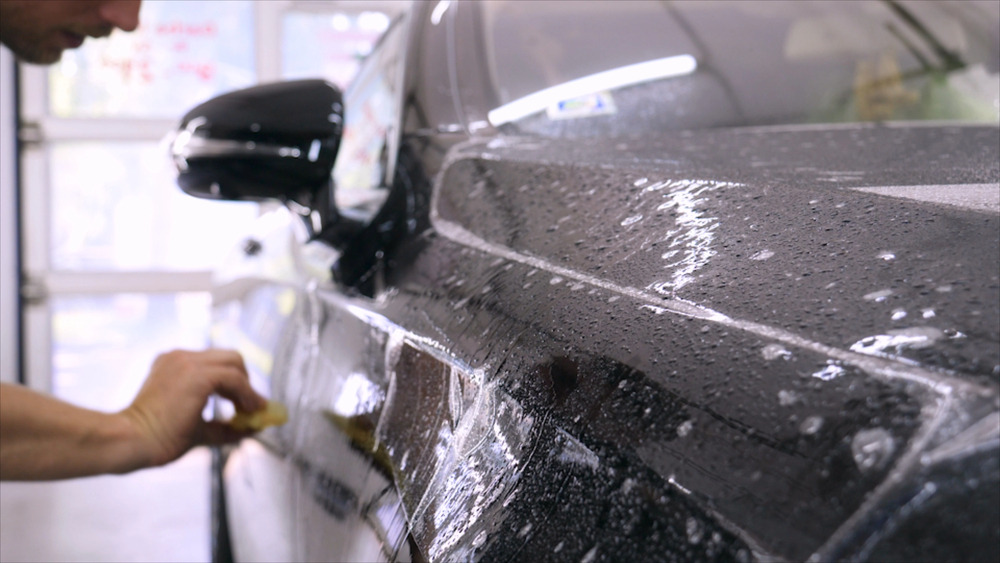

You’ve just invested $2,000 to $8,000 in paint protection film (PPF) to safeguard your vehicle’s finish, but how can you be sure the job was done correctly? The quality of a PPF installation matters just as much as the film itself. A bad install doesn’t just look bad; it can permanently damage your paint when removed. Poor workmanship can lead to peeling edges, trapped debris, premature failure, and costly rework that defeats the purpose of the investment altogether.
In this guide, you’ll learn how to tell if PPF was installed correctly, the key signs of a high-quality install, and the red flags that indicate costly mistakes so you can protect your vehicle with confidence.
What to Expect Immediately After PPF Installation
Before inspecting for issues, it’s important to understand what’s normal after installation.
Fresh PPF often has a slight hazy or milky appearance caused by installation solution trapped between the film and paint. You may also see small water bubbles scattered across the surface. These are expected and typically resolve on their own as the film cures.
You might notice light texture in the film and visible seams where panels meet, especially with partial coverage installs. These alone are not defects.
Typical settling timeline:
- 24–48 hours: Most haziness begins to clear
- 7–14 days: Film reaches full clarity
- 30 days: Full adhesion and curing
Local climate factors like temperature and humidity in Clovis, CA can affect curing time. Avoid judging the install too early, but take photos immediately after installation for reference.
Signs of a High-Quality PPF Installation
Once cured, a professionally installed PPF should meet the following standards.
Crystal Clear Appearance
The film should be fully transparent with no distortion, cloudiness, or uneven gloss. Paint color and metallic flake should appear natural and consistent across all protected panels. Any haziness that remains after two weeks is a red flag.
Clean, Precise Edge Work
Edges reveal installer skill more than any other area. Cuts should follow natural body lines, with smooth transitions between panels. Where possible, edges should be wrapped or tucked—not visibly lifting or peeling. Seams should appear intentional and symmetrical, not random.
Smooth, Uniform Surface
The surface should feel smooth when lightly running your hand across it. Minor texture is normal, but wrinkles, creases, stretch marks, or raised areas are not. Edges should be subtle to the touch and visually unobtrusive.
Proper Coverage and Alignment
All agreed-upon areas should be fully protected with no exposed paint along edges or corners. Coverage should be even from left to right, especially on the hood, bumper, and fenders. Misalignment or uneven spacing suggests rushed work.
Contaminant-Free Finish
There should be no visible debris under the film. Dirt, dust, hair, or particles trapped beneath PPF indicate inadequate surface prep or poor installation conditions and are not correctable without removal.
Red Flags: Signs of Poor PPF Installation
Some issues indicate workmanship problems that won’t improve over time.
Adhesion Problems
Slight edge curl during the first few days can be normal, but edges that continue lifting, peeling corners, or film that shifts when touched signal improper adhesion. Large air pockets that remain after two weeks are also unacceptable.
Contamination Under the Film
Any trapped debris—no matter how small—will remain visible and may worsen over time. These flaws cannot “settle out” and require reinstallation to fix.
Installation Damage
Watch for scratches on the film, stretch distortion, stress lines, burned edges from excess heat, or knife marks in the paint beneath the film. These issues permanently compromise both appearance and protection.
Common 3M Paint Protection Film Problems
When applying 3M paint protection film, improper technique can cause specific issues, including:
- “Fingers,” or adhesive lines: Caused by poor squeegee control
- Stress marks: Film overstretched during installation
- Early edge lifting: Inadequate surface prep or temperature control
- Adhesion failure: Film installed in unsuitable environmental conditions
- Premature yellowing: Rare with quality film and usually indicates a defect or improper care
How to Tell If PPF Is on a Car
If you’re inspecting a used vehicle or verifying coverage, look for subtle seam lines along panel edges. Run your finger along door jambs, hood edges, and fenders to feel where the film ends.
Under angled lighting, you may notice slight reflection differences where film meets paint. High-impact areas such as the front bumper, hood, mirrors, headlights, and rocker panels are the most common locations for PPF.
Is It Normal for PPF to Bubble?
Normal, Temporary Bubbles
Small water bubbles from the installation solution are expected. These are usually scattered and clear and disappear within 7–14 days as moisture evaporates.
Problematic Bubbles
Contact your installer if you notice:
- Air pockets larger than a quarter
- Bubbles that grow or cluster together
- Bubbles containing debris
- Any bubbles remaining after 2–3 weeks
A reputable installer should correct these issues under warranty.
Professional Installation Standards
Quality installers follow strict procedures:
Before installation: Paint inspection, correction if needed, deep cleaning, and decontamination in a climate-controlled environment.
During installation: Computer-cut patterns, controlled temperatures, clean-room conditions, and frequent quality checks.
After installation: Final inspection under multiple lighting conditions, detailed care instructions, and follow-up support during the curing period.
Look for certified installers with proven experience, documented work, and strong warranties—typically 2–5 years on workmanship and 5–10 years on the film.
What to Do If Your PPF Install Is Bad
If you identify issues:
- Document everything with dated photos
- Contact the installer promptly and clearly describe the problems
- Review your warranty terms
Legitimate defects should be corrected at no charge, including removal and reinstallation if necessary. If concerns are dismissed or unresolved, seek a second opinion from another certified installer.
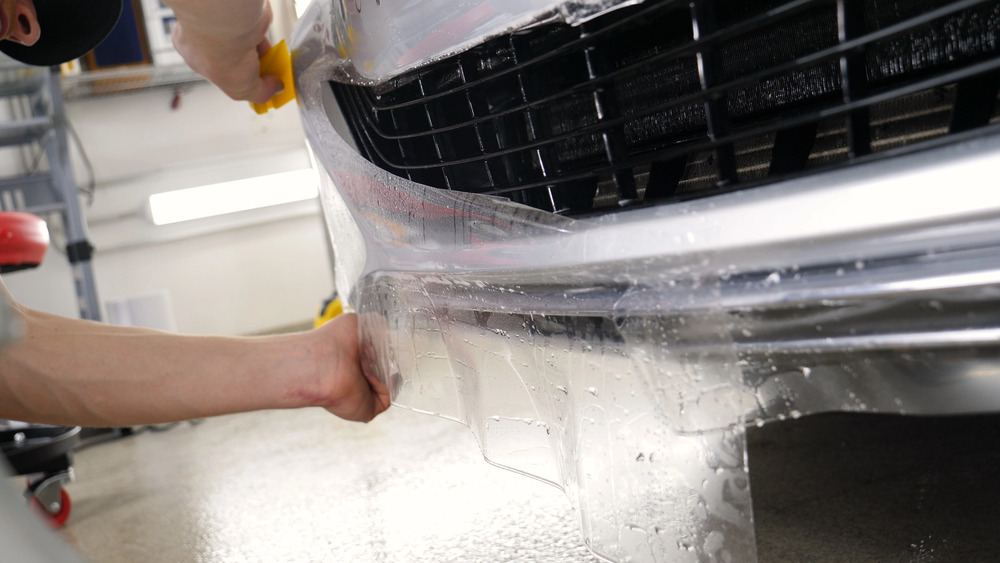
Professional PPF Installation in Clovis, CA
At Shades & Shine, we provide professional paint protection film installation using premium materials and proven techniques. Our climate-controlled facility and experienced team follow manufacturer guidelines to ensure long-term performance.
Whether you need a new PPF installation or an evaluation of existing film, we’re here to help. Visit us at 1977 Las Rosas Ave, Clovis, CA 93619, or call 559-594-3959 to schedule a free consultation.
Quality installation protects your investment for years; don’t settle for anything less.
FAQs: How to Tell If PPF Was Installed Correctly
How long does it take for PPF to fully cure?
Most paint protection film begins clearing up within the first 24–48 hours, but full clarity and adhesion typically take 7–14 days. In some cases, full curing can take up to 30 days, especially in cooler or more humid conditions.
Can PPF look cloudy right after installation?
Yes. A slight hazy or milky appearance is normal immediately after installation because moisture and slip solution can be trapped between the film and the paint. This should improve gradually and disappear as the film cures.
If haziness remains beyond two weeks, it may indicate improper installation or adhesion issues.
Are seams in PPF normal?
Yes—depending on the coverage level. Seams are common with partial coverage kits or when installers need to avoid stretching film too far.
A quality install will have clean, symmetrical seams that follow natural body lines, not random or jagged edges.
Should PPF edges be wrapped?
Whenever possible, yes. High-quality installers aim to wrap and tuck edges (especially on hoods, fenders, and doors) for a cleaner finish and better durability.
That said, some edges cannot be wrapped due to tight clearances or panel design—so the key is that edges should still look clean, intentional, and secure.
Is it normal for PPF edges to lift?
A tiny amount of edge tension during the first 1–3 days can happen while the film settles.
But edges that keep lifting, corners that peel back, or areas that shift when touched indicate a problem that should be corrected right away.
How do I know if bubbles in PPF are normal or not?
Small, scattered water bubbles are normal and usually disappear within 7–14 days.
You should contact your installer if you see:
- Bubbles larger than a quarter
- Bubbles that grow over time
- Clusters of bubbles in one area
- Bubbles with dirt or debris
- Any bubbles still present after 2–3 weeks
Can dust or debris under PPF be fixed without removing it?
No. If dust, hair, dirt, or particles are trapped under the film, they will not settle out or disappear. The only true fix is removal and reinstallation of that section.
Can a bad PPF install damage paint when removed?
Yes. Poor installation can lead to:
- Aggressive adhesion failure
- Edges that trap dirt and moisture
- Improper cutting that leaves knife marks
- Premature lifting that pulls at clear coat over time
A clean removal depends heavily on proper prep, correct installation, and quality film.
Does PPF have an orange peel texture?
Some light texture is normal with many films, especially when viewed up close under bright lighting.
However, major texture differences, rippling, stretch marks, or distortion usually indicate poor installation technique or overstretching.
What are “fingers” in paint protection film?
“Fingers” are adhesive lines or raised channels that form when the installer fails to properly squeegee and lay the film evenly. They often appear near tight curves or edges and usually indicate improper tension control or technique.
How can I tell if a car has PPF installed (especially on a used vehicle)?
Look for:
- A faint seam line along panel edges
- Slight differences in reflection under angled lighting
- Film edges inside door jambs, hood edges, or around headlights
- Coverage on high-impact areas like the front bumper, hood, mirrors, and rocker panels
Running your finger lightly along edges is often the easiest way to confirm where the film ends.
Will PPF peel or crack over time?
High-quality film installed correctly should last 5–10 years (sometimes longer) depending on driving conditions, washing habits, and sun exposure.
Peeling and cracking early usually points to poor workmanship, improper prep, or incorrect aftercare.
What should I do if I think my PPF install is failing?
Start with:
- Taking clear, dated photos
- Contacting the installer immediately
- Reviewing the warranty coverage
- Requesting a correction before the issue worsens
If the installer dismisses the issue or refuses to help, it’s smart to get a second opinion from another reputable shop.