
400+ 5 Star Reviews 
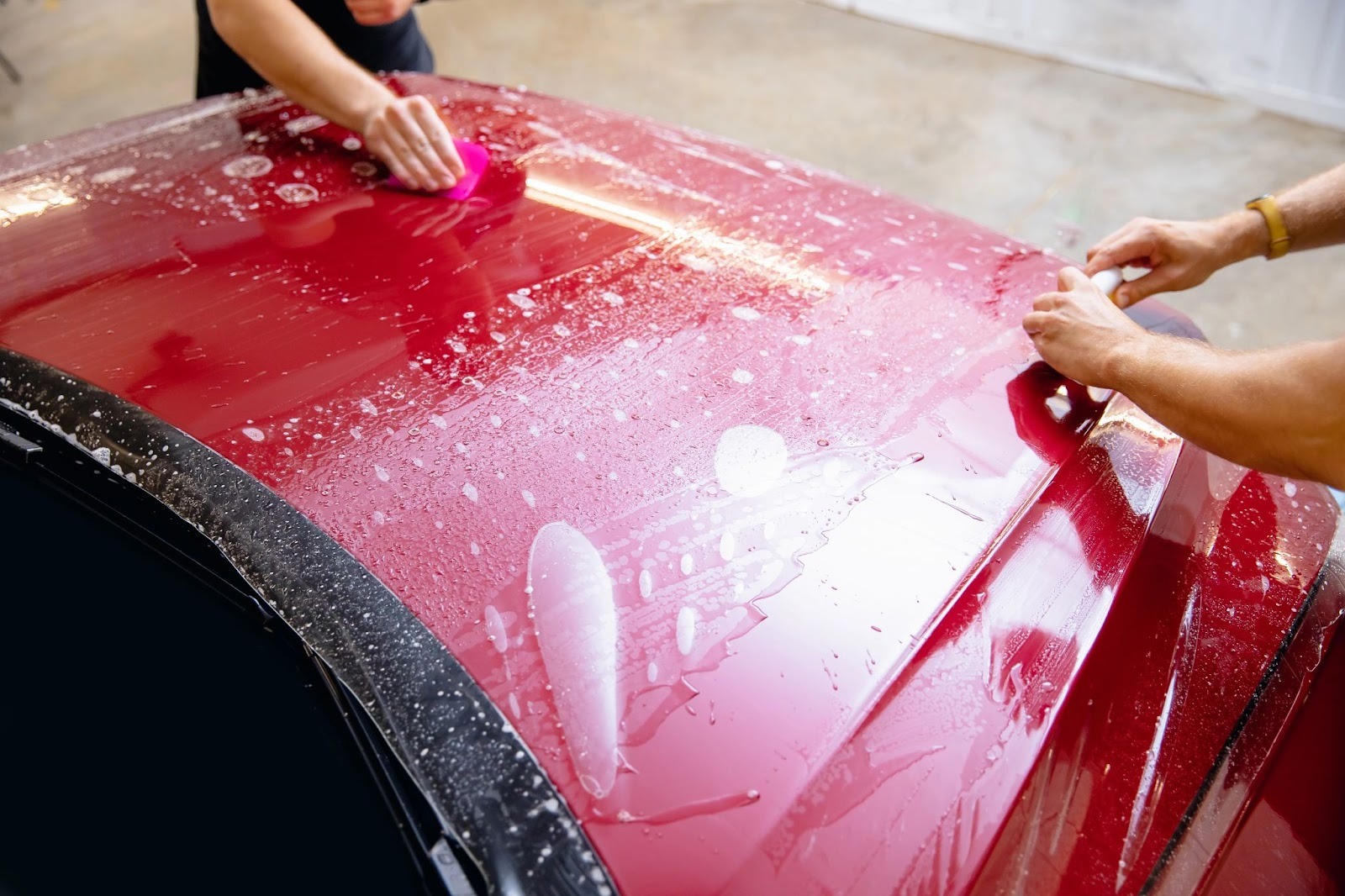

If you’ve gotten a quote for paint protection film and felt a bit of sticker shock, you’re not alone. PPF isn’t cheap, and it’s completely reasonable to question whether it’s actually worth the cost before moving forward.
The short answer is yes, for many drivers in Clovis and Fresno, paint protection film is worth it. But the real answer depends on your vehicle, how you drive, and how long you plan to keep it.
In this guide, we’ll break down exactly what PPF does, where it delivers real value, what it costs, how long it lasts, and when it may not be the right investment so you can make a confident, informed decision.
What Is Paint Protection Film and What Does It Actually Do?
Paint protection film is a clear, durable urethane layer applied to your vehicle’s painted surfaces. It acts as a barrier between your paint and everyday damage like rock chips, road debris, bug splatter, bird droppings, tree sap, and UV exposure. Instead of your paint taking the hit, the film absorbs it, helping preserve your factory finish underneath.
Modern PPF also features a self-healing surface. Light scratches and swirl marks can disappear with heat from the sun or warm water, restoring the film to a smooth finish. However, it’s important to understand its limits. PPF protects against surface-level damage, not deep scratches, dents, or major impacts.
In areas like Clovis and Fresno, PPF becomes even more practical. Extreme heat and UV exposure accelerate paint fade, while agricultural dust, chemical overspray, and hard water can damage clear coat over time. Add frequent highway driving and rock chips become unavoidable. In this environment, PPF isn’t just a cosmetic upgrade, it’s a reliable way to protect your vehicle long term.
The Real Pros of Paint Protection Film
Paint protection film offers clear, practical benefits when installed correctly. Here’s what you’re actually getting:
Rock Chip and Debris Protection
This is the primary reason most drivers choose PPF. The front end of your vehicle takes constant impact from rocks and road debris, especially on highways. PPF absorbs those hits and prevents chips that can cost hundreds of dollars to repair.
Self-Healing Surface
Light scratches and swirl marks don’t build up the same way they do on unprotected paint. With heat from the sun or warm water, the film’s surface can return to its original condition, keeping your finish looking newer for longer.
UV and Chemical Resistance
In the Central Valley, UV protection is critical. Premium PPF helps prevent fading and clear coat damage caused by prolonged sun exposure. It also resists common contaminants like bird droppings, bug splatter, tree sap, and agricultural residue.
Preserved Resale Value
Vehicles with well-maintained paint consistently sell for more. By keeping your factory paint in original condition, PPF helps protect resale value, especially on newer or higher-end vehicles where repainting costs can be significant.
Easier Maintenance
PPF has a hydrophobic surface that repels water, dust, and grime. This makes your vehicle easier to clean and helps it stay cleaner between washes, which is especially useful in dusty areas like Clovis and Fresno.
Long-Term Peace of Mind
If you plan to keep your vehicle for several years, PPF prevents the gradual buildup of chips and wear that leads to costly repairs. It’s a long-term solution that helps maintain both appearance and value.
The Honest Cons of Paint Protection Film
PPF offers strong benefits, but it’s not the right fit for everyone. Here are the key drawbacks to consider before making a decision:
High Upfront Cost
PPF is the most expensive paint protection option available. For drivers on a tight budget or those planning to sell within a year or two, the cost may not make financial sense.
Installation Quality Matters
PPF is only as good as the installer. Poor prep work or improper installation can lead to bubbling, lifting edges, and trapped debris. These issues aren’t caused by the film itself, but by how it’s applied, which makes choosing an experienced installer critical.
Risk of Yellowing with Low-Quality Film
Lower-grade films can yellow over time due to UV exposure and contamination. This discoloration is permanent. However, modern premium films are designed to resist yellowing, making this primarily a concern when cutting costs on materials.
Visible Seams on Poor Installs
A properly installed PPF should be nearly invisible. But if installation is rushed or done incorrectly, you may notice seam lines or uneven edges. Again, this comes down to installer quality rather than the product itself.
Not Ideal for Every Situation
PPF doesn’t always make sense. If you lease your vehicle, switch cars frequently, or own a lower-value vehicle, the long-term return may not justify the investment.
The key takeaway is that most downsides are tied to budget decisions and installation quality. When done properly with high-quality film and a skilled installer, many of these issues can be avoided.
How Much Does Paint Protection Film Cost? A Real Breakdown
PPF pricing varies based on how much of your vehicle you cover, the size and complexity of the vehicle, the film quality, and the installer’s experience. While every quote is different, most pricing falls into a few standard coverage tiers:
Partial Front Coverage
Includes the front bumper, partial hood, and mirrors. This is the most common entry-level option and protects the areas that take the most impact from road debris.
Full Front Coverage
Adds the full hood, fenders, and A-pillars to the partial package. This is the most popular option for daily drivers who want seamless protection across high-impact areas.
Full Vehicle Coverage
Covers every painted panel on the vehicle. This is the highest level of protection and is typically chosen for luxury, sports, or long-term ownership vehicles.
What Drives the Price?
Beyond coverage, pricing is influenced by:
- Vehicle size and body complexity
- Film quality and brand
- Installer skill and experience
Premium films from established brands last longer, resist yellowing, and come with stronger warranties, making them a better long-term investment than budget alternatives.
A Note on Dealership Pricing
If you were offered PPF at a dealership, it’s worth comparing. Dealership packages often cost significantly more while using similar or lower-quality materials, with faster installation and less prep work. In many cases, a certified independent installer provides better results at a more competitive price.
How Long Does Paint Protection Film Last?
With a quality film and proper care, paint protection film typically lasts 7 to 10 years. Premium brands often include warranties covering yellowing, cracking, and delamination, though these require professional installation to remain valid.
Vehicles that are garaged and coated with ceramic tend to reach the higher end of that lifespan. For daily drivers exposed to the elements, a well-maintained film usually lasts 5 to 7 years.
Lifespan depends heavily on film quality, installation, and maintenance. Cheap film, poor installs, and harsh conditions like Central Valley heat can shorten durability. Regular care and occasional inspections help ensure the film performs as expected over time.
PPF vs. Ceramic Coating: Which One Do You Actually Need?
This is a common question, but it’s slightly misleading. Paint protection film and ceramic coating do different things, so comparing them as direct alternatives misses the point. PPF is a physical barrier that protects against rock chips, scratches, and road debris, while ceramic coating is a chemical layer that adds UV protection, water repellency, and gloss but offers little protection against impact.
For most drivers, the best result comes from combining both. PPF is installed first to protect against physical damage, and ceramic coating is applied on top to improve durability, enhance appearance, and make the surface easier to maintain. Together, they provide a level of protection neither can deliver on its own.
Ceramic coating alone works well for drivers who want easier cleaning and UV protection on a lower budget, while PPF alone is less ideal without a coating since it can hold water spots and contaminants more easily. The right choice depends on how you drive, your budget, and how much protection you want.
Is Paint Protection Film Worth It? Who Should Get It and Who Should Not
Most guides skip this part. PPF isn’t a one-size-fits-all decision. Here’s a clear way to determine if it makes sense for your situation.
When PPF Is Worth It
PPF is a smart investment if you plan to keep your vehicle for three or more years, especially if you regularly drive on Central Valley highways. Over time, the cost of preventing damage is often lower than repairing chips, scratches, and paint wear.
It also makes the most sense on new or newer vehicles. Applying PPF early preserves factory paint before any damage occurs, avoiding the added cost of paint correction later.
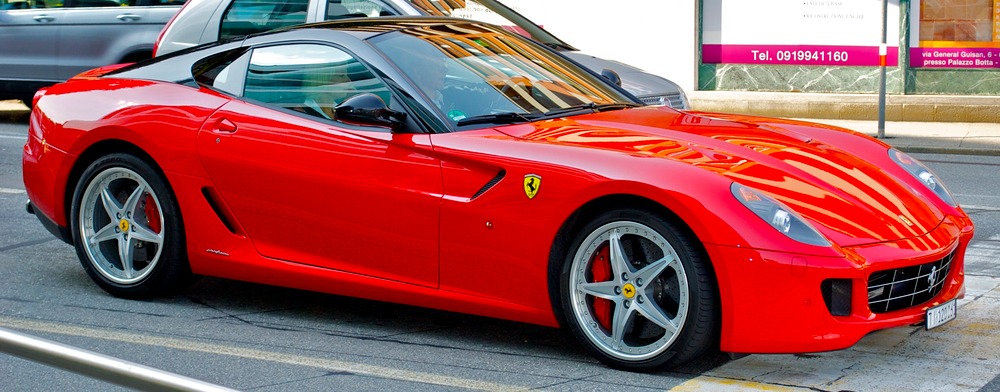
PPF is especially valuable for luxury, sports, or high-value vehicles, where repainting costs are higher and resale value is more sensitive to paint condition. It’s also worth it if you simply care about keeping your car looking flawless. For many owners, avoiding chips and scratches is reason enough.
When PPF May Not Be Worth It
PPF is less practical if you lease your vehicle and aren’t responsible for paint condition at return. In that case, you’re protecting something you won’t keep.
It may also not make sense if you plan to sell or trade your vehicle within one to two years, since the time to recover the investment is limited.
Finally, PPF is not worth it if your budget only allows for low-quality film or poor installation. Cheap materials can yellow, peel, and fail, creating more problems than they solve. In that case, a quality ceramic coating is a better short-term option until you can invest in PPF properly.
Get a Straight Answer from an Installer Who Will Give You One
Paint protection film is one of those upgrades that only makes sense when it matches the way you actually use your vehicle. The right choice depends on what you drive, where you drive, and how long you plan to keep it, not a generic package or a one-size-fits-all recommendation.
That’s why the best next step is a quote based on your specific car and your real priorities. At Shades & Shine, we help drivers in Clovis and Fresno choose the right level of protection, whether that means a partial front package, full front coverage, or a full wrap for long-term paint preservation.
If you want clear answers and pricing that makes sense, contact us today. We’ll walk you through your options, explain what’s worth it for your situation, and help you choose the right protection without the guesswork.
Frequently Asked Questions About Paint Protection Film
What are the disadvantages of paint protection film?
The biggest downsides are the upfront cost and the fact that results depend heavily on installation quality. Low-quality film can yellow or peel, and PPF does not protect against dents or major impact damage.
Is it worth it to get paint protection film?
For most drivers who keep their vehicle for three or more years, yes. PPF helps prevent rock chips, scratches, and UV damage that can lead to expensive paint repair later.
How much does 3M PPF cost?
3M PPF pricing varies based on coverage area, vehicle size, and installer rates. Partial front packages cost less, while full-vehicle coverage on larger vehicles costs significantly more.
How long will paint protection film last?
A high-quality PPF installation typically lasts 7 to 10 years with proper care. Lifespan depends on film quality, installation, and maintenance.
Does PPF yellow over time?
Older or low-quality films can yellow, especially with heavy UV exposure. Modern premium films are designed with UV inhibitors to prevent discoloration.
Can you apply ceramic coating over PPF?
Yes, and it’s recommended. Ceramic coating adds water repellency, UV resistance, and easier maintenance on top of the film.