
400+ 5 Star Reviews 
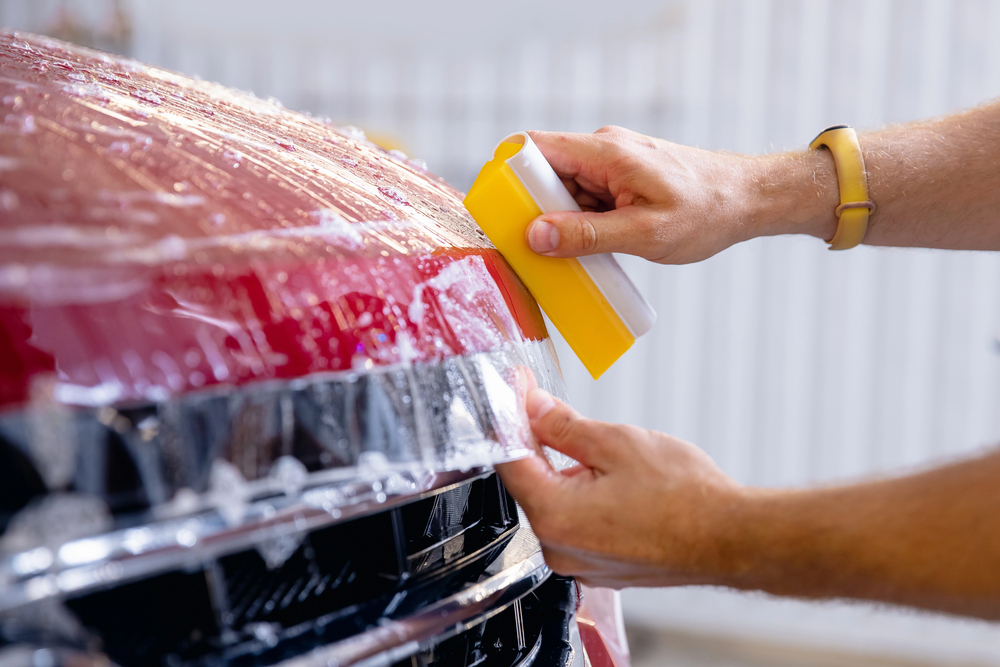

Paint protection film costs in 2026 typically range from $600 to $8,000 or more, depending on how much of your vehicle you cover, the type of film used, and the quality of installation. It’s a wide range, and most car owners aren’t sure where their vehicle fits until they start getting quotes.
If you’re researching how much paint protection film costs in Clovis or Fresno, you’ve probably noticed that most pricing guides are too generic. They don’t account for local conditions, driving habits, or the factors that actually affect cost in the Central Valley.
In this guide, we’ll break down real 2026 PPF pricing, explain what drives the cost up or down, and help you understand which option makes the most sense for your vehicle and budget.
What Does Paint Protection Film Cost in 2026?
Paint protection film cost in 2026 largely depends on how much of your vehicle you want covered. The more surface area you protect, the more material and labor are required. Since PPF installation is highly skilled work, especially on complex panels, labor plays a major role in overall pricing.
If you’re wondering how much paint protection film costs, most vehicles fall somewhere between $600 and $8,000+, depending on coverage level.
Here’s a breakdown of the most common PPF packages and what they typically cost:
Partial Front Coverage ($600 – $1,500)
Partial front PPF covers the areas most exposed to rock chips and road debris. This usually includes:
- Front bumper
- First 18 to 24 inches of the hood
- Partial fenders
- Side mirrors
This is the most affordable option and a popular starting point for daily drivers. It provides solid protection where it matters most, but it does leave a visible film edge across the hood.
Full Front Coverage ($1,500 – $3,000)
Full front PPF extends coverage across:
- Entire hood
- Full fenders
- Front bumper
- Side mirrors
This option eliminates the visible edge left by partial coverage, resulting in a cleaner, more seamless appearance. It’s widely considered the best value option for most drivers because it protects all high-impact areas without the cost of a full wrap.
Full Front + Rocker Panels ($2,500 – $4,500)
This package adds protection to high-wear areas along the sides of the vehicle, including:
- Rocker panels
- Lower doors
- Areas in front of rear wheels
These sections take a lot of abuse from road debris, especially at highway speeds. This option is ideal for performance vehicles or anyone who drives frequently on freeways.
Full Car PPF ($4,500 – $8,000+)
Full car PPF wraps every painted surface of the vehicle, offering the highest level of protection available.
This option is best suited for:
- Luxury and exotic vehicles
- New car owners planning long-term ownership
- Drivers who want maximum paint preservation
Pricing starts around $4,500 but can exceed $8,000 depending on vehicle size, body complexity, and film quality.
Full Car PPF vs Partial Coverage: What’s the Difference in Cost?
Choosing between a full car and partial PPF isn’t just about price. It comes down to how much protection you want and how long you plan to keep your vehicle.
Partial Front Coverage: Lower Cost, Targeted Protection
Partial front PPF is ideal if your main concern is rock chips and road debris. It protects the most vulnerable areas like the hood and bumper at a much lower cost than a full wrap.
The downside is visibility. A film edge will be present across the hood. While skilled installers minimize this, it can still be noticeable on lighter paint colors.
Full Front Coverage: Best Value for Most Drivers
Full front coverage removes that visible edge and provides seamless protection across the entire front end.
For most drivers in the Fresno and Clovis area, this is the sweet spot. You get strong protection where damage happens most, without the higher cost of full car PPF.
Full Car PPF: Maximum Protection, Higher Investment
Full car PPF covers every painted surface, offering the highest level of protection.
This option makes the most sense if you:
- Own a luxury or high-value vehicle
- Plan to keep your car long-term
- Want to maximize resale value
When you consider that repainting a single panel can cost $500 to $1,500 or more, full coverage can be a smart long-term investment.
What Factors Affect the Cost of PPF Installation?
Two vehicles with the same coverage package can still get very different quotes. That’s because PPF pricing depends on several key factors:
Vehicle Size and Complexity
Larger vehicles require more film and labor, which increases cost. But size isn’t the only factor. Cars with complex curves, sharp angles, or intricate trim take more time and precision to wrap properly, raising the price.
Film Quality and Brand
Not all PPF is the same. Premium films offer:
- Self-healing properties
- Hydrophobic surfaces
- Anti-yellowing protection
- Longer warranties
Lower-quality films cost less upfront but tend to discolor and fail sooner. The film you choose directly impacts both price and long-term value.
Paint Condition and Prep Work
PPF locks in whatever condition your paint is in. If there are swirl marks, oxidation, or water spots, they’ll remain visible under the film.
That’s why many installers recommend or require paint correction before installation, which adds to the total cost, especially in high-exposure areas like the Central Valley.
Installer Skill and Experience
Installation quality matters just as much as the film itself. Experienced, certified installers charge more because they deliver cleaner, longer-lasting results.
Poor installation can lead to:
- Peeling edges
- Visible seams or bubbles
- Contamination under the film
Paying for a skilled installer helps avoid costly issues later.
Why PPF Costs More to Skip in the Central Valley
Most national pricing guides miss this: PPF is more valuable in Clovis and Fresno than in many other regions. The Central Valley is especially harsh on automotive paint, with summer temperatures often exceeding 105°F and intense UV exposure accelerating fading and oxidation much faster than in cooler climates.
Beyond heat, agricultural activity adds another layer of risk. Pesticide and fertilizer overspray can settle on vehicles and damage the clear coat, while hard water from irrigation systems leaves mineral deposits that can cause permanent etching if not removed quickly.
Together, UV exposure, chemical contamination, and hard water cause paint to deteriorate faster here than in most areas. PPF acts as a protective barrier against these threats, making it less of a cosmetic upgrade and more of a long-term investment in preserving your vehicle’s paint and value.
Is Paint Protection Film Worth the Cost?
For most car owners, yes. The real answer depends on how long you plan to keep your vehicle and the condition you want it in when you sell or trade it.
PPF’s biggest advantage is avoiding paint repair costs. Repainting a single panel can cost $500 to $1,500, while a full front-end repaint can exceed $3,000. Over five to ten years, a full front PPF installation can easily pay for itself by preventing that damage.
It also helps preserve resale value. Vehicles with protected, original paint typically command higher trade-in and resale prices because buyers can clearly see the difference. In areas like Clovis and Fresno, where UV exposure and environmental factors accelerate paint damage, the value of PPF is even greater.
What Are the Disadvantages of Paint Protection Film?
PPF isn’t for everyone, and there are a few trade-offs to understand before committing.
Upfront Cost
PPF requires a noticeable upfront investment. Even partial front coverage can be expensive, while full car wraps are a significant cost. If you plan to sell or trade your vehicle within a year or two, the long-term value may not outweigh the initial expense.
Requires Professional Installation
PPF is not a DIY-friendly product. Improper installation can lead to bubbling, lifting edges, trapped debris, and early failure. On higher-end vehicles, a poor install can create more cosmetic issues than it prevents. Choosing an experienced installer is essential.
Visible Edges with Partial Coverage
Partial PPF leaves a visible transition line where the film ends. Skilled installers can minimize this by aligning edges with body lines, but it cannot be completely eliminated, especially on lighter paint colors.
Film Quality Matters
Not all PPF is created equal. Lower-quality films can yellow or become hazy over time, which can look worse than unprotected paint. Using a reputable installer who offers premium film brands helps avoid this issue.
Not Complete Protection
PPF is highly effective against rock chips and minor scratches, but it doesn’t make your paint indestructible. It won’t prevent dents, deep scratches, or damage from significant impacts. Setting realistic expectations is important.
Most of these drawbacks come down to film quality and installation. When done correctly with premium materials and a skilled installer, many of these issues can be minimized or avoided altogether.
PPF Plus Ceramic Coating: The Combination Worth Considering in Clovis
Paint protection film and ceramic coating solve different problems, and they work best when combined. PPF acts as a physical barrier, protecting against rock chips, scratches, and road debris, while self-healing minor surface damage.
Ceramic coating, on the other hand, bonds to the surface of the film and adds a hydrophobic layer. This helps repel water, road grime, and agricultural contaminants, while enhancing gloss and making the vehicle much easier to clean. It also helps extend the lifespan of the PPF by reducing buildup on the surface.
In the Central Valley, where hard water and chemical exposure are constant concerns, combining PPF with ceramic coating isn’t just a premium upgrade. It’s a practical way to protect your vehicle long-term and get the most out of your investment. Shades & Shine offers both services and can install them together as a package.
Get a PPF Quote in Clovis
Paint protection film is not one-size-fits-all. The right package depends on your vehicle, how you drive, and how long you plan to keep it. Getting an accurate quote means looking at those details, not just picking a price range online.
At Shades & Shine, we work with drivers across Clovis and Fresno to recommend the right level of coverage, whether that’s a partial front, full front, or full car wrap. We use premium films, proper prep, and experienced installation to ensure the results last.
If you’re ready to get pricing for your vehicle, contact us or visit us at 1977 Las Rosas Ave, Clovis, or request a quote at shadeandshine.com.
Frequently Asked Questions
How much does paint protection film cost for a full car?
A full car PPF installation typically costs between $4,500 and $8,000 or more in 2026. The final price depends on the vehicle’s size, body complexity, the film brand selected, and the installer’s experience level. Larger vehicles and those with complex body lines sit at the higher end of that range. Contact Shades & Shine at 559-594-3959 for a quote on your specific vehicle.
Is paint protection film worth the money?
For most car owners, yes. PPF prevents paint damage that would otherwise require costly body shop repairs, which run $500 to $1,500 per panel or more. It also preserves resale value by keeping factory paint in original condition. In the Central Valley, where UV intensity and agricultural environmental exposure accelerate paint deterioration, the protection PPF provides has measurable long-term financial value.
What affects the cost of PPF installation?
The main factors are coverage area, vehicle size and body complexity, film brand and quality, paint correction requirements before installation, and installer experience. Premium film brands with self-healing and hydrophobic properties cost more but last significantly longer than budget-grade options.
What are the disadvantages of paint protection film?
The main disadvantages are the upfront cost, the requirement for professional installation, the potential for a visible film edge with partial coverage packages, and the risk of yellowing with lower-quality films. Choosing a reputable installer and a premium film brand mitigates most of these concerns.
How much does partial PPF cost compared to full coverage?
Partial front coverage typically costs between $600 and $1,500. Full front coverage runs from $1,500 to $3,000. Full car coverage starts around $4,500 and goes up from there based on vehicle size and complexity.
How long does paint protection film last?
High-quality PPF from established brands typically lasts between seven and ten years with proper care. Most premium films come with manufacturer warranties of five years or more. Budget-grade films may begin to yellow or fail within three to five years.