
400+ 5 Star Reviews 
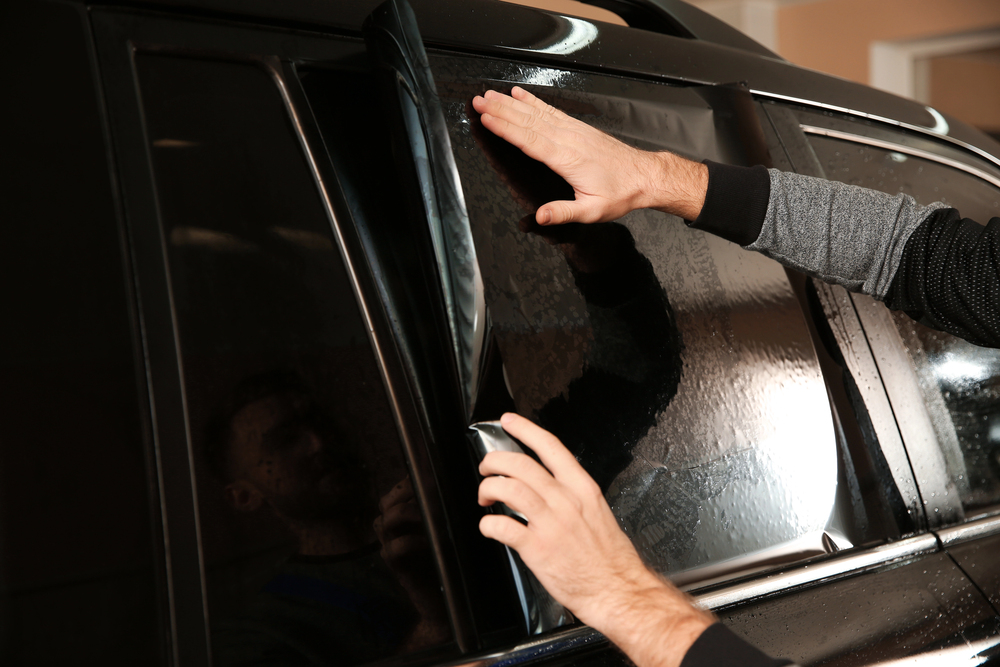

Window tint is one of the most popular vehicle upgrades and one of the easiest to regret. A bad tint job announces itself immediately: bubbles trapped under the film, purple-hazed edges, peeling corners, or gaps that let light bleed through along the door frame. And unlike a lot of vehicle modifications that can be quietly reversed, bad tint has to be professionally removed before it can be redone, which means paying twice for the same job.
The quality of your tint installation comes down to two things in roughly equal measure: the film being used and the person installing it. This guide covers both what professional car tint installation actually involves, how to evaluate installers before you book, what to expect on cost, and honest answers to the questions most people are searching before they commit.
What Professional Car Tint Installation Actually Involves
Most people imagine window tinting as simply pressing film onto glass. A professional installation is far more precise, and understanding the process makes it easy to spot when a shop is cutting corners.
Glass Cleaning and Preparation
Before film is applied, the glass must be completely clean. Dust, oils, old adhesive, or microscopic debris can cause bubbles and adhesion failure days or weeks later. Professional shops use lint-free tools and purpose-built cleaners to ensure a contaminant-free surface. Rushed prep is one of the first shortcuts budget shops take, and once film is installed, contamination cannot be fixed.
Film Cutting
Professional shops use computer-aided plotters to cut film to the exact specifications of each vehicle’s make, model, and year. This ensures precise edges and a consistent fit. Hand-cutting directly on the glass introduces risk, including scratched defroster lines and uneven edges. While skilled installers can hand-cut well, computer cutting is the modern professional standard.
Controlled Environment
Film adhesion is affected by dust, airflow, humidity, and temperature. Professional installations are done in enclosed, climate-controlled bays to reduce contamination while the adhesive is exposed. Tinting in open bays or outdoor environments increases the risk of debris interfering with the bond.
Application Technique
Installers apply a slip solution, position the film, and use controlled squeegee passes to remove moisture and seat the adhesive evenly. Angle, pressure, and sequencing matter. Poor technique leads to micro-bubbles, channels, and uneven curing that become permanent as the film sets.
Curing Time
After installation, tint requires time to fully bond. Windows should remain up and edges undisturbed for several days to a few weeks, depending on climate and film type. Professional shops provide clear curing instructions. Premature stress on the film is a common cause of edge lifting and peeling.
A quality tint job is not just about the film. It is about process, environment, and skill. For similar tips on verifying a professional film installation, see how to tell if PPF was installed correctly.
How to Choose the Best Window Tint Installers
Knowing what a professional installation involves makes it easier to evaluate a shop before you hand over your keys. Here is what to look for.
Check for Brand Certifications
Premium brands like 3M, LLumar, XPEL, SolarGard, and Huper Optik require installer certification to access their top film lines. Certification includes training, proven skill, and manufacturer-backed warranties. If a shop cannot clearly name the brand they install or is not a certified dealer, they may be using lower-grade, unverified film.
Ask About the Cutting Method
Ask whether they use a computer plotter or hand-cut on the glass. Computer-cut film is the professional standard and reduces the risk of scratched defroster lines or uneven edges. If they hand-cut, ask to see finished examples of their work.
Review Their Work and Reputation
Confident shops have a portfolio of completed vehicles. Ask to see it. Then check Google and Yelp for recent reviews mentioning bubbles, peeling, haze, or early failure. Patterns in reviews reveal more than marketing claims.
Understand the Warranty
There are two warranties: manufacturer coverage for film defects and installer coverage for workmanship. Premium ceramic films often include lifetime manufacturer warranties, but only when installed by certified dealers. Ask directly which brand backs the film and what warranty applies.
Request the Film Spec Sheet
Ask for the exact product name and its specifications, including IR rejection and TSER (Total Solar Energy Rejected). Quality ceramic film typically shows IR rejection of 70% or higher. Vague answers about the film are a red flag.
Evaluate the Shop Environment
Visit the shop before booking. The installation bay should be enclosed, clean, and organized. Professional tools such as a plotter cutter and proper squeegees should be visible. Clear communication and confident answers often reflect the quality of the work.
Car Tint Installation Cost: What to Expect
Cost is one of the most searched questions about window tinting, and pricing varies for good reason.
Several factors affect the total:
- Vehicle size: A two-door coupe costs less than a full-size SUV or minivan with more windows and glass area. Larger vehicles require more film and labor.
- Partial vs. full install: Tinting two front windows or adding a visor strip costs less than a full vehicle installation.
- Film brand and tier: Not all ceramic tint is equal. Entry-level ceramic performs differently than premium options from brands like 3M, LLumar, or XPEL, and pricing reflects that difference.
Be cautious of “cheap ceramic” offers. Full-vehicle ceramic installs advertised at $150 to $200 are rarely true, high-quality ceramic film. At that price, it is often dyed or carbon film labeled as ceramic, low-grade material, or rushed installation. It may look fine at first and begin failing within a year or two, leading to removal and replacement costs.
At a professional shop, you are paying for certified film with a manufacturer-backed warranty, computer-cut precision, a controlled installation environment, skilled labor, and results designed to last for years. That is the comparison that matters.
DIY Car Tint Installation: The Honest Assessment
DIY tint kits are affordable, but getting a professional result on curved automotive glass is difficult without experience.
Car windows curve in multiple directions, so film must be heat-formed to fit correctly. Without proper technique and a controlled environment, wrinkles, dust contamination, bubbles, and edge lifting are common. Once the adhesive sets, mistakes usually mean removing the film and starting over.
There is also legal risk. Many DIY installs do not account for combined VLT or state tint laws, which can lead to citations and removal. When you factor in removal costs and replacement film, a failed DIY job often ends up costing more than professional installation in the first place.
Do Cops Care About Tint?
Yes, tint laws are enforced, and the consequences are often more inconvenient than drivers expect. In many states, a violation leads to a fix-it ticket requiring you to remove the tint, complete a reinspection, and provide proof of correction. Even if the fine is small, the cost of removal and reinstallation is not. Some jurisdictions issue direct fines, and repeat offenses can increase penalties.
Front window tint laws are enforced more strictly because they affect visibility into the vehicle during traffic stops. Reduced visibility is considered an officer safety concern, which is why regulations focus heavily on front side windows.
In California, including Fresno and Clovis, tint laws are actively enforced. Choosing a professional shop that understands state regulations and measures your factory glass helps you avoid citations and the added expense of removing and replacing non-compliant film.

Get Professional Car Tint Installation in Clovis, CA
A high-quality tint should look clean from day one and last a decade or more. A rushed installation may cost less upfront, but it often leads to bubbling, peeling, and early replacement.
At Shades & Shine, we install premium window tint for drivers throughout Clovis and the Fresno area. We use certified films from trusted brands, precision-cut every pattern with a plotter, install in a controlled indoor bay, and back our work with a manufacturer warranty. Every vehicle leaves our shop California compliant.
If you are ready for real heat reduction, lasting protection, and a clean factory finish, contact us today to schedule your tint consultation.
Frequently Asked Questions
How much does it cost to get tints installed?
Pricing depends on film type and vehicle size. Dyed tint typically ranges from $100 to $250, carbon from $200 to $400, and ceramic from $400 to $900 or more, with professional installation and certified film offering better long-term value.
Can I install tint myself?
Technically yes, but achieving a clean, durable result on curved automotive glass is difficult without experience. Many DIY attempts result in contamination, edge failure, or legal issues, often leading to professional removal and reinstallation.
Is a 70% tint noticeable?
70% VLT is very light and close to clear, making it barely noticeable. Even at this level, quality ceramic film still provides meaningful heat and UV rejection.
Do most cops care about tint?
Tint laws, especially for front windows, are enforced in California. A violation typically requires removal and correction, which costs more than installing a compliant tint from the start.