
400+ 5 Star Reviews 
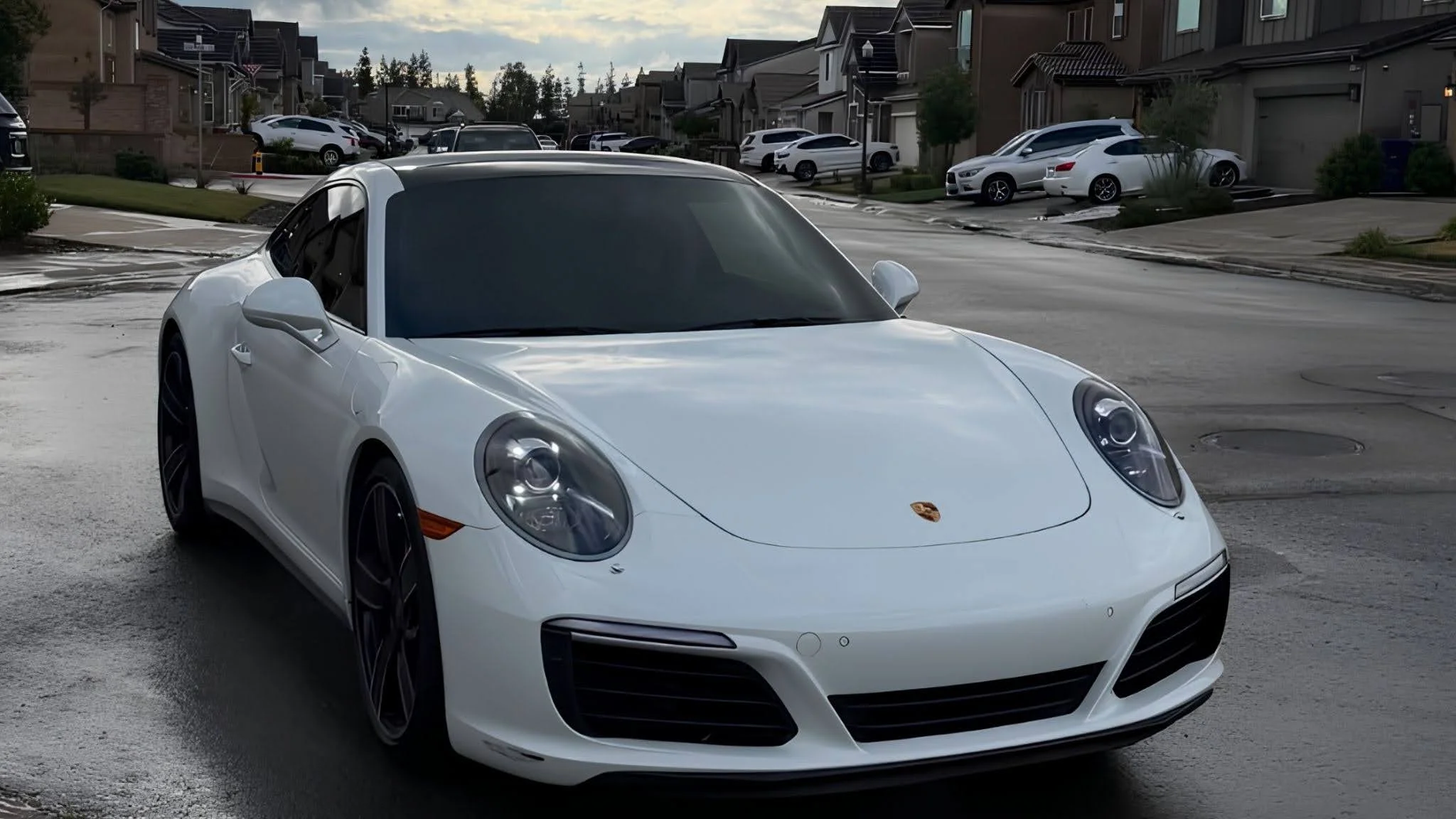
A common hesitation before booking PPF has nothing to do with cost or coverage. It’s the fear that a layer of film will visibly change the car, adding an unwanted sheen or a plastic-wrapped look that gives away the fact it’s there.
Done well, paint protection film doesn’t change the way your car looks. Where it does affect appearance, the cause traces back to film quality, installation, or the specific finish underneath, not the product category itself.
Clear Film Is Built to Disappear
Modern PPF is an optically clear urethane, engineered specifically not to alter color, gloss, or clarity when it’s new. The goal of the product is invisibility, not a finish change, which is why quality film looks like nothing more than clean, glossy paint from a normal viewing distance.
The Self-Healing Top Coat Keeps That Look Consistent
Most quality PPF includes a self-healing top layer, which matters for appearance well beyond the install day. Minor swirl marks and light scratches in the film’s surface, the kind that would otherwise dull the look of bare clear coat over time, soften and disappear on their own with heat from the sun or warm water.
That’s a meaningful difference from unprotected paint, where the same light scuffs accumulate permanently and gradually make the finish look tired. A car under PPF is more likely to look the way it did on install day years later, not because the film is invisible, but because it’s actively resisting the kind of surface wear that changes how paint looks over time.
Where Installation Defects Actually Show Up
When PPF does visibly change a car’s finish, the cause is almost always the install, not the film category. A few specific issues account for most of it: orange-peel texture from lower-grade film, trapped dust or debris that shows up as small raised bumps, “silvering” where tiny air pockets along an edge catch light and look faintly white or gray, and tunneling, where film stretched too tightly across a compound curve creates visible ridges instead of lying flat.
Each of these is a workmanship issue, not something inherent to having film on the car. This is exactly why installation quality matters as much as the film brand — a clean, properly tensioned install is what keeps PPF looking like nothing changed at all.
Can You Actually See the Edges?
Up close, in direct light, a faint edge line is sometimes visible where the film ends, which is normal and not a sign of a bad job. Skilled installers cut film precisely and tuck edges into panel gaps wherever possible, which minimizes how visible that line is in everyday viewing conditions.
What shouldn’t be visible is lifting, bubbling along the edge, or a texture change across the panel. Those are installation issues, not something inherent to having film on the car.
How Film Ages Differently Than Bare Paint
Bare clear coat oxidizes under years of UV exposure, gradually losing gloss and depth even with regular washing and waxing. Quality PPF is formulated to resist that same UV degradation far longer, which means film-covered panels can end up looking noticeably fresher than the untouched paint around them after several years, not the other way around.
This creates an unusual but real effect on partial installs: a hood or bumper under film sometimes looks visibly newer than adjacent uncovered panels once enough time has passed. It’s not a defect. It’s the film doing exactly what it’s designed to do, just in a way that becomes more obvious with age rather than less.
The Hydrophobic Layer’s Effect on Everyday Appearance
Most PPF top coats are hydrophobic, meaning water beads and rolls off rather than sitting flat and drying into spots. Day to day, that translates into a car that resists water spotting and holds onto a cleaner look longer between washes than the same paint would without film.
It’s a smaller effect than the UV-resistance difference, but it adds up over the ownership of a car that spends a lot of time parked outside, which describes most daily drivers in the Central Valley.
Matte and Colored Finishes Play by Different Rules
Standard clear PPF is designed for glossy paint. Matte finishes need matte-specific film, because standard clear film installed over matte paint will add unwanted shine exactly where the owner didn’t want it. Getting this match right is what determines whether the finish looks unchanged or noticeably different.
How to Judge the Finish Yourself
The most reliable way to know what PPF will actually look like isn’t a description, it’s inspecting real work under the right conditions. Raking light, meaning light hitting the surface at a low angle rather than straight on, reveals texture problems like orange-peel or tunneling that are invisible under flat, direct lighting.
Running a hand lightly across an installed panel can also catch trapped debris or edge lifting that’s harder to spot by eye alone, especially on darker paint. Comparing a film-covered panel directly against an adjacent bare one, in the same light, is the fastest way to judge whether the two actually look different or whether the film is doing its job of disappearing.
Shades & Shine can show you completed installs so you can look at all of this in person before committing. Get a free PPF quote and ask to see recent work under natural light.
FAQ
Does PPF make paint look glossy or dull?
Quality film shouldn’t change gloss level at all on glossy paint. A visible shift usually points to lower-grade film or a rushed install rather than something inherent to PPF.
Will people be able to tell my car has PPF on it?
Not typically at a normal viewing distance. Up close in direct light, a faint edge line can sometimes be seen where the film ends, which is normal rather than a defect.
Does PPF change my paint color over time?
Quality film shouldn’t shift paint color under normal conditions, and its UV resistance means covered panels often hold their original look longer than bare paint does. Yellowing or discoloration is a defect, not an expected outcome, and is usually covered under the film’s manufacturer warranty.
Does the self-healing feature actually work?
Yes, within limits. Light swirl marks and fine scratches in the film’s surface typically soften with heat from sunlight or warm water. Deeper cuts or gouges from a rock chip won’t self-heal, since that’s a different kind of damage than surface marring.
Does PPF make a car easier to keep looking clean?
To some degree. The hydrophobic top coat causes water to bead and roll off rather than spot-dry on the surface, which helps covered panels stay cleaner-looking between washes.
Can I see finished work before booking?
Yes, and it’s worth asking. Seeing an installer’s actual results under natural light is the most reliable way to judge finish quality before committing.