
400+ 5 Star Reviews 
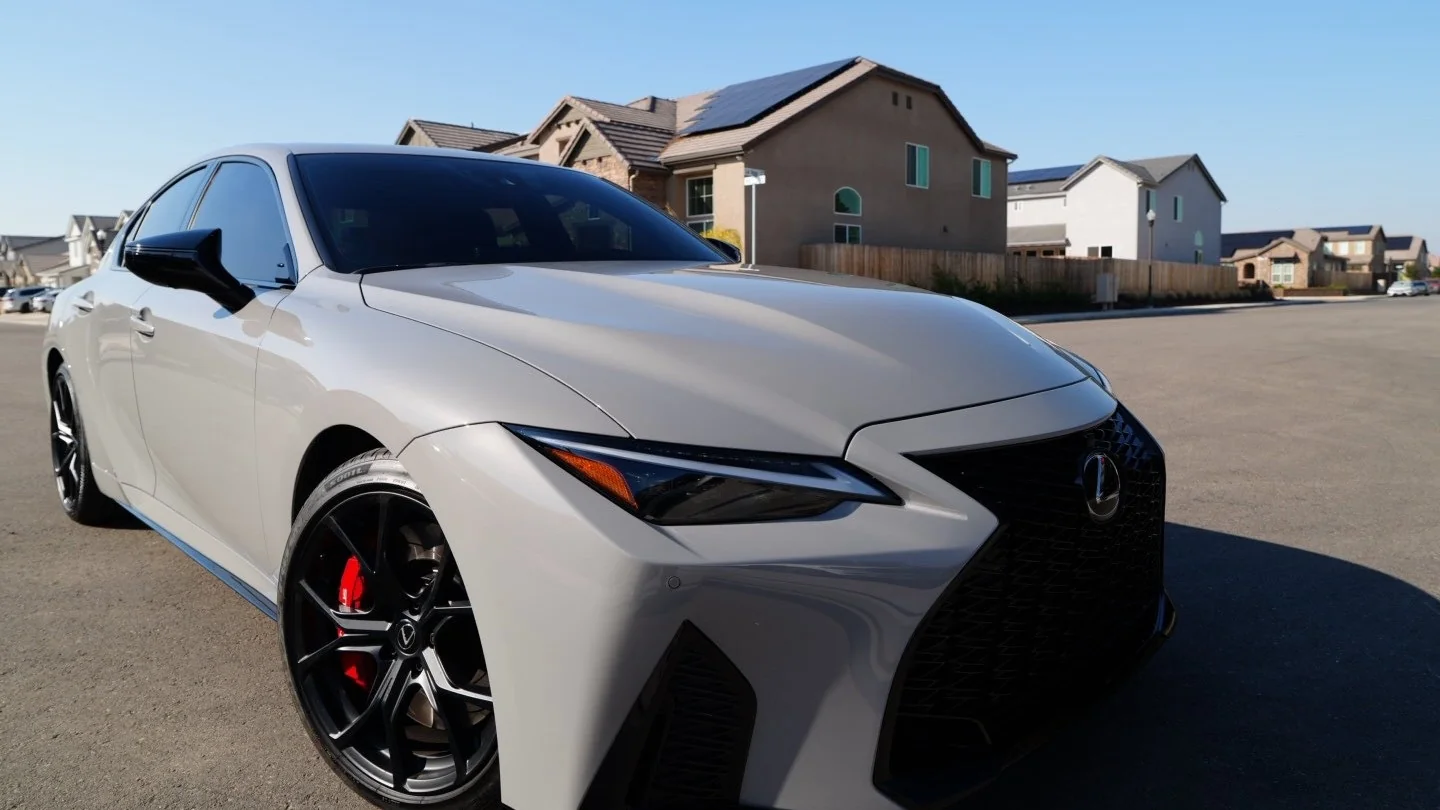
The last thing you want after protecting your paint is to notice a yellow tint on the hood a year or two later. It is an especially common concern for drivers with white or light-colored vehicles, where even a slight change in clarity can stand out.
Does PPF yellow over time? Older or damaged film can discolor, but visible yellowing is not an inevitable part of owning modern paint protection film. Sometimes the issue is a stain on the surface rather than a change in the film itself. Knowing the difference can save you from replacing perfectly good protection.
Why PPF Has a Reputation for Yellowing
Older generations of clear protective film were more likely to change appearance as they aged. That reputation has stayed around even as film materials have improved. Premium products today are developed for long-term clarity, and some manufacturers specifically address premature yellowing in their warranty terms.
That does not mean every film is identical. Quality, installation, exposure, maintenance, and warranty conditions still vary. A visible yellow cast is worth investigating rather than dismissing as something all protective film eventually does.
Is It Yellowing or Just Surface Contamination?
Road grime, dried bug residue, tree sap, and mineral deposits can leave a patchy or discolored look on top of clear film. The front bumper, hood, and mirrors are especially exposed. A buildup may appear in isolated spots, while a change inside the film itself can look more uniform.
Appearance alone cannot confirm the cause. Try only the gentle cleaning method recommended for your specific film. If the color remains, ask an installer to inspect the panel. Scrubbing harder or reaching for household solvents can make the problem worse.
What Can Cause PPF to Change Color?
Film quality and age
Film construction matters. A lower-quality or older material may lose clarity sooner than a premium film. Instead of relying on a blanket claim about how many years PPF should last, look at the product name and its actual warranty.
Outdoor exposure
Cars in Clovis and Fresno spend a lot of time in strong sunlight and heat. Modern film is made for outdoor driving, but regular exposure to road dirt and the elements makes routine care important. Sunlight alone does not prove that discoloration is a manufacturing defect.
Cleaning products and neglected residue
Abrasive compounds, harsh chemicals, and stubborn contamination can stain or damage a protective film surface. Remove bug splatter and road residue promptly using approved products, and avoid aggressive cleaning around edges.
Does PPF Yellow More on White Cars?
A slight color shift is simply easier to notice against white or silver paint. That does not automatically mean the film on a white car deteriorates faster. Light-colored vehicles make visual differences more obvious, especially near uncovered panels or where one piece of film ends.
Before choosing PPF, ask to see completed installations on similar paint colors under natural light. Inspect both broad panels and film edges. A real vehicle is more useful than a tiny sample when judging how discreet the installation looks.
How to Check a Suspected Yellow Tint
Wash the panel gently with products approved for your film, rinse thoroughly, and dry it using a clean microfiber towel. Compare the protected surface with uncovered paint in even daylight. Look for patchy residue, discoloration around an edge, or a consistent change across the entire protected area.
Take a few clear photos, including a close-up and a wider view. If normal cleaning does not help, contact the installer with the photos and installation paperwork. Do not lift a corner or try to strip the film off yourself.
How to Keep Paint Protection Film Looking Clear
Wash regularly with film-compatible cleaners and remove road grime before it becomes difficult to clean. Dry the surface rather than leaving mineral-rich water to evaporate. Use clean, soft wash tools, and follow any initial curing and aftercare instructions provided by the installer.
If you notice a persistent stain, lifting edge, or change in texture, arrange an inspection while the issue is still small. A short visit is better than attempting a harsh cleaning treatment at home. For more care advice, read our guide to maintaining paint protection film. To compare protection options, see PPF versus ceramic coating and vinyl wrap.
Will a PPF Warranty Cover Yellowing?
Some manufacturers cover yellowing when it results from a defect in their product. Coverage is not automatic for every kind of discoloration. Staining, chemical exposure, damage, and normal wear may be treated differently. Your coverage depends on the exact film, installation records, exclusions, and claim requirements.
Keep the product information supplied by the shop. If the film looks discolored, have the installer review it before anyone attempts removal or replacement.
When to Talk to an Installer
Persistent yellowing after gentle cleaning, new cloudiness, lifting edges, or cracking are good reasons to book an inspection. Depending on the cause, the answer might be professional cleaning, a limited repair, or replacement of one film-covered panel.
Shades & Shine works with drivers in Clovis and the surrounding Central Valley who want their vehicles protected without compromising appearance. If you are concerned about existing PPF or want to explore protection for a new car, get in touch to discuss the options and request a quote.
FAQ
Is it normal for new PPF to look yellow?
A strong yellow tint should not be accepted as a normal result of a quality new installation. Follow the manufacturer's curing instructions and request an inspection if the color persists.
Can yellow PPF be cleaned back to clear?
If the color comes from surface contamination, film-safe cleaning may help. If the material itself is discolored, washing is unlikely to reverse that change.
Does clear PPF yellow faster on white cars?
A difference is easier to see on light paint, but that does not prove the film ages faster. An installer can help determine what is causing the appearance change.
Does the sun automatically make PPF yellow?
No. Modern film is designed for outdoor exposure. Quality, environmental conditions, contamination, and care can all influence how it looks over time.
Will my warranty pay for replacement?
Possibly. Some warranties cover manufacturing-related yellowing, but terms vary by brand and product. Check the exact coverage with your installer.
Should I remove discolored film myself?
Professional inspection and removal are safer. Pulling film off improperly can risk damage, particularly on panels with prior paint repairs.